

Waking up with an achy back or uncomfortable joints can make the start of the day harder than it needs to be.
Sometimes the reason is obvious. You may have spent too long sitting at work, exercised differently than usual, or simply slept in an awkward position.
But there’s another part of your sleep environment that deserves attention: your mattress.
We spend several hours every night lying on our mattress, and the way it supports our body can influence how comfortable we feel while sleeping and when we get up in the morning.
This naturally leads to an important question:
Can an HR foam mattress help reduce back and joint discomfort?
The answer isn’t as simple as saying that one mattress can solve everyone’s pain.
However, the right mattress can provide a more supportive and comfortable sleeping surface, help distribute pressure more evenly, and make it easier to maintain a comfortable sleeping position.
And that’s where HR foam, or High Resilience foam, becomes interesting.
Designed to be responsive, supportive and resilient, HR foam can offer a different sleeping experience from conventional foam. For people looking for a mattress that balances cushioning with support, it can be a practical option to explore.
Let’s understand how it works, what to look for in an HR foam mattress and how Coirfit approaches comfort through thoughtful mattress construction.
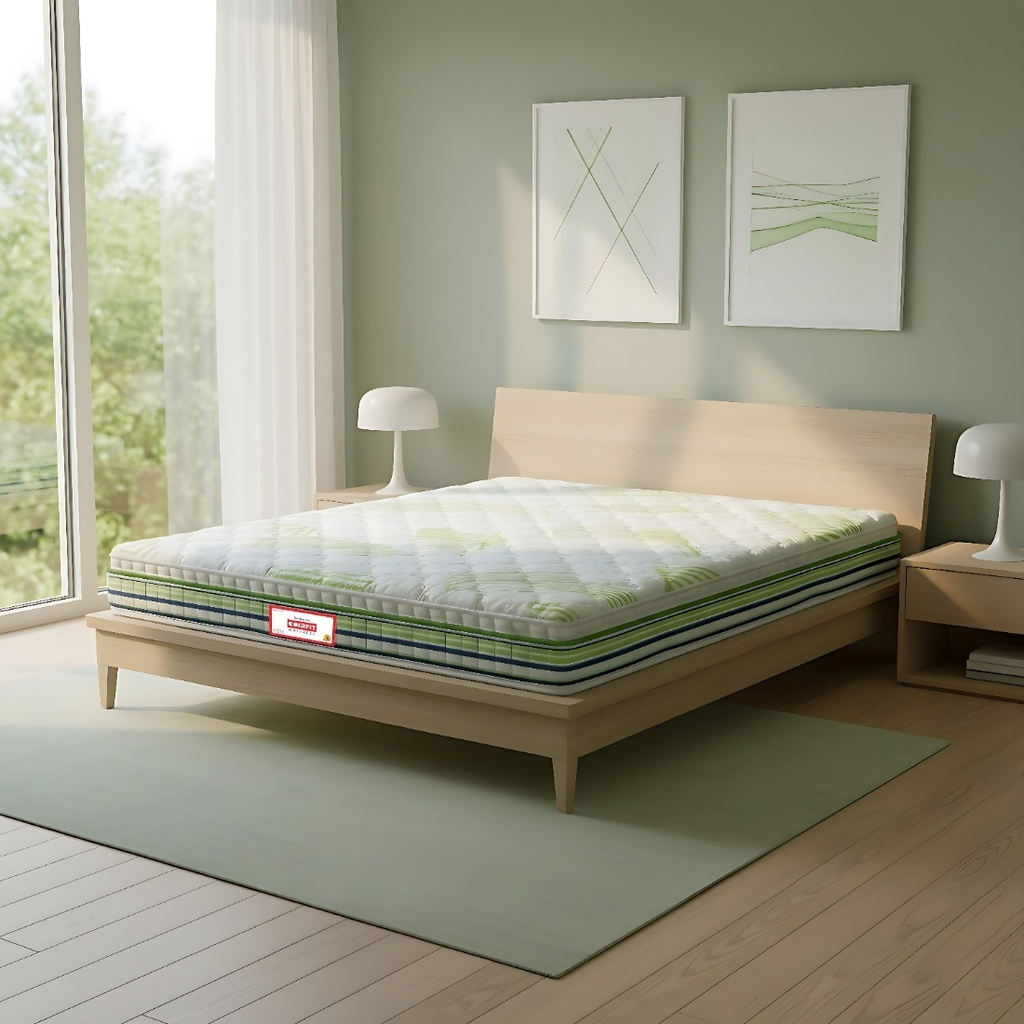
First, What Is HR Foam?
HR stands for High Resilience.
As the name suggests, HR foam is designed to have a higher degree of resilience than conventional foam. In practical terms, this means the foam is designed to respond more readily to pressure and movement.
When you press into an HR foam surface and release the pressure, it tends to recover its shape relatively quickly.
That creates a particular type of mattress feel:
supportive without feeling excessively rigid, and responsive without feeling overly springy.
This responsiveness can be useful for sleepers who change positions during the night.
Instead of feeling like you’re sinking deeply into the mattress, HR foam can provide a more buoyant surface that responds as your body moves.
But the foam itself isn’t the whole story.
The overall mattress construction—including firmness, thickness, layering and support—also affects how the mattress feels.
Can a Mattress Actually Reduce Back Pain?
This is where it’s important to separate comfort and support from medical treatment.
A mattress is not a medical device, and an HR foam mattress shouldn’t be viewed as a cure for back pain or joint conditions.
However, your sleeping surface can affect how comfortably your body is positioned during sleep.
A mattress that is too soft may allow certain areas of the body to sink more than you’d prefer.
A mattress that is excessively firm may feel uncomfortable for some sleepers because it doesn’t provide enough cushioning at pressure-sensitive areas.
The goal is generally to find a mattress that provides a comfortable balance between cushioning and support.
For someone experiencing occasional sleep-related discomfort, finding that balance may make the night more comfortable and help them wake feeling better rested.
If back or joint pain is persistent, severe, worsening, associated with numbness or weakness, or interfering with daily activities, it’s important to speak with a qualified healthcare professional rather than relying on a mattress change alone.
How HR Foam Can Support Comfortable Sleeping
So, what makes HR foam worth considering?
There are several characteristics that can contribute to a comfortable sleeping experience.
1. Responsive Support
HR foam is designed to respond to pressure and recover its shape.
When you shift from your back to your side, for example, the mattress can respond to that movement instead of leaving you feeling deeply embedded in the surface.
This responsiveness can make changing positions feel more natural.
2. Pressure Distribution
A good mattress should distribute body weight rather than concentrating excessive pressure in a few areas.
Depending on its firmness and overall construction, HR foam can provide cushioning while still maintaining a supportive surface.
This can be particularly relevant around areas such as the shoulders, hips and other parts of the body that come into contact with the mattress.
3. Resilience
One of the defining characteristics of HR foam is resilience.
The material is designed to recover its shape after compression, helping the mattress maintain a responsive feel during repeated use.
4. Ease of Movement
Some sleepers dislike the deeply sinking sensation associated with certain types of foam.
HR foam generally offers a more responsive feel, which can make turning or changing sleeping positions easier.
That can be especially useful for people who naturally move around during sleep.
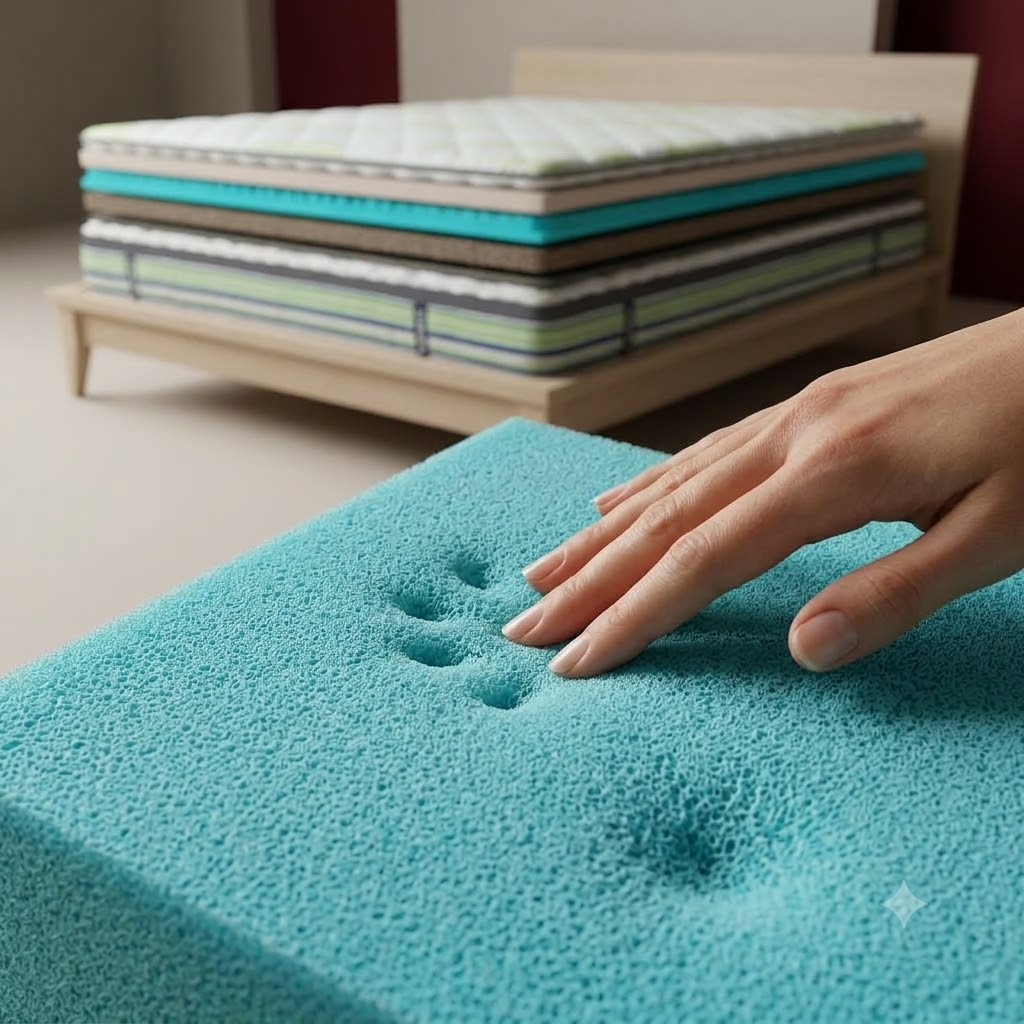
Why Mattress Firmness Matters for Back and Joint Comfort
When people hear the word “supportive,” they sometimes assume that a very firm mattress must automatically be better.
That’s not necessarily true.
Firmness and support are not the same thing.
A mattress can be firm while still providing poor support for a particular sleeper.
Likewise, a slightly softer mattress can still provide adequate support depending on its construction and the person using it.
Your ideal firmness depends on factors such as:
- Sleeping position
- Body weight
- Personal comfort preference
- Mattress construction
- Whether you sleep alone or with a partner
- How much cushioning you prefer
The important thing is to find a mattress that keeps you comfortable without allowing your body to feel unsupported.
What About Side Sleepers?
Side sleeping can put more pressure on areas such as the shoulders and hips because those parts of the body come into greater contact with the mattress.
A mattress that provides some cushioning around these areas can feel more comfortable.
HR foam can be useful here because its responsive cushioning can provide a balance between contouring and support.
However, firmness still matters.
If the mattress is too firm for your body and sleeping position, you may find certain pressure points uncomfortable.
If it is too soft, you may feel that your body sinks excessively.
The right balance is personal
What About Back Sleepers?
When sleeping on your back, many people prefer a mattress that feels supportive without being excessively hard.
The mattress should provide enough cushioning to feel comfortable while offering a stable surface underneath the body.
An appropriately constructed HR foam mattress can provide a responsive surface that adapts to pressure while maintaining its overall structure.
Again, there is no single firmness level that works for every back sleeper.
Comfort, body type and personal preference all matter.
What About Stomach Sleepers?
Stomach sleepers often prefer a surface that feels sufficiently supportive and doesn’t allow the midsection to sink excessively.
A mattress that is too soft may not feel comfortable for some stomach sleepers.
HR foam can provide a responsive surface, but the overall firmness and construction of the mattress remain important.
If you’re primarily a stomach sleeper, pay particular attention to how well the mattress maintains a stable sleeping surface.
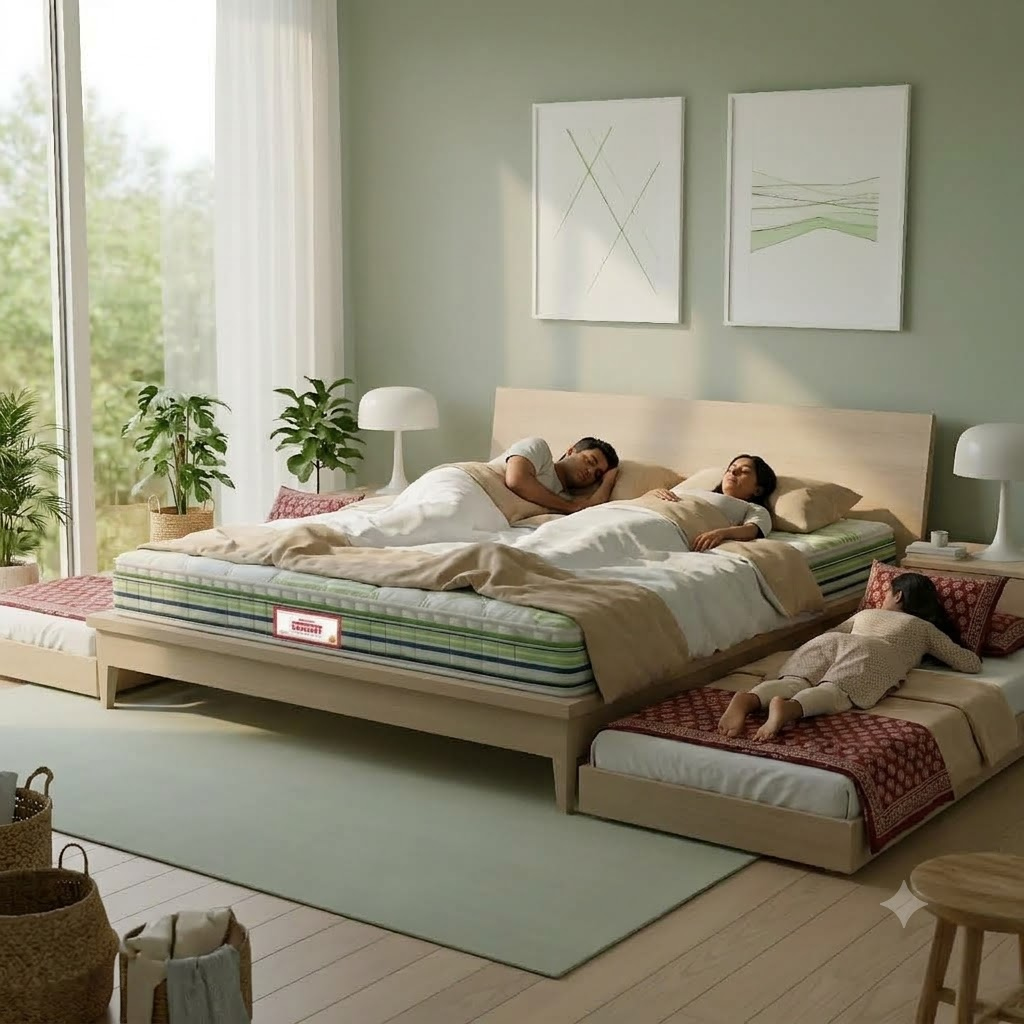
Can HR Foam Help With Joint Pressure?
Joints can become sensitive to pressure during sleep, particularly when a mattress doesn’t provide the type of cushioning a person prefers.
An HR foam mattress can provide a responsive cushioning layer that distributes some of the pressure created when your body rests against the sleeping surface.
This may contribute to a more comfortable sleep experience.
But it’s important not to overstate what a mattress can do.
An HR foam mattress does not treat arthritis, injuries, inflammation or other medical conditions.
Instead, think of it as one part of your sleep environment.
A comfortable mattress can support better rest, while persistent joint pain should be evaluated based on its underlying cause.
HR Foam vs. Very Soft Foam: What’s the Difference?
The word “soft” can sometimes sound synonymous with “comfortable.”
But a mattress that’s too soft for your body may not necessarily feel supportive.
HR foam is designed around resilience, meaning it responds to pressure and returns toward its original shape.
That can create a more balanced feel.
Imagine sitting on a surface that lets you sink deeply into it.
Now imagine another surface that cushions you but pushes back gently enough to help you move.
Those two experiences feel very different.
HR foam generally falls closer to the second experience.
This can make it attractive to people who want cushioning without an overly sinking sensation.
Why Resilience Matters in an Everyday Mattress
A mattress is compressed thousands of times during its life.
Every night, your body puts pressure on the same sleeping surface.
That’s why resilience is an important consideration when you’re choosing an everyday mattress.
High-resilience foam is designed to recover after compression, helping maintain a responsive feel.
That doesn’t mean every HR foam mattress will perform identically.
The quality of the foam, its density, construction, layering and overall mattress design all matter.
That’s why it’s worth looking beyond the words “HR foam” on a product description.
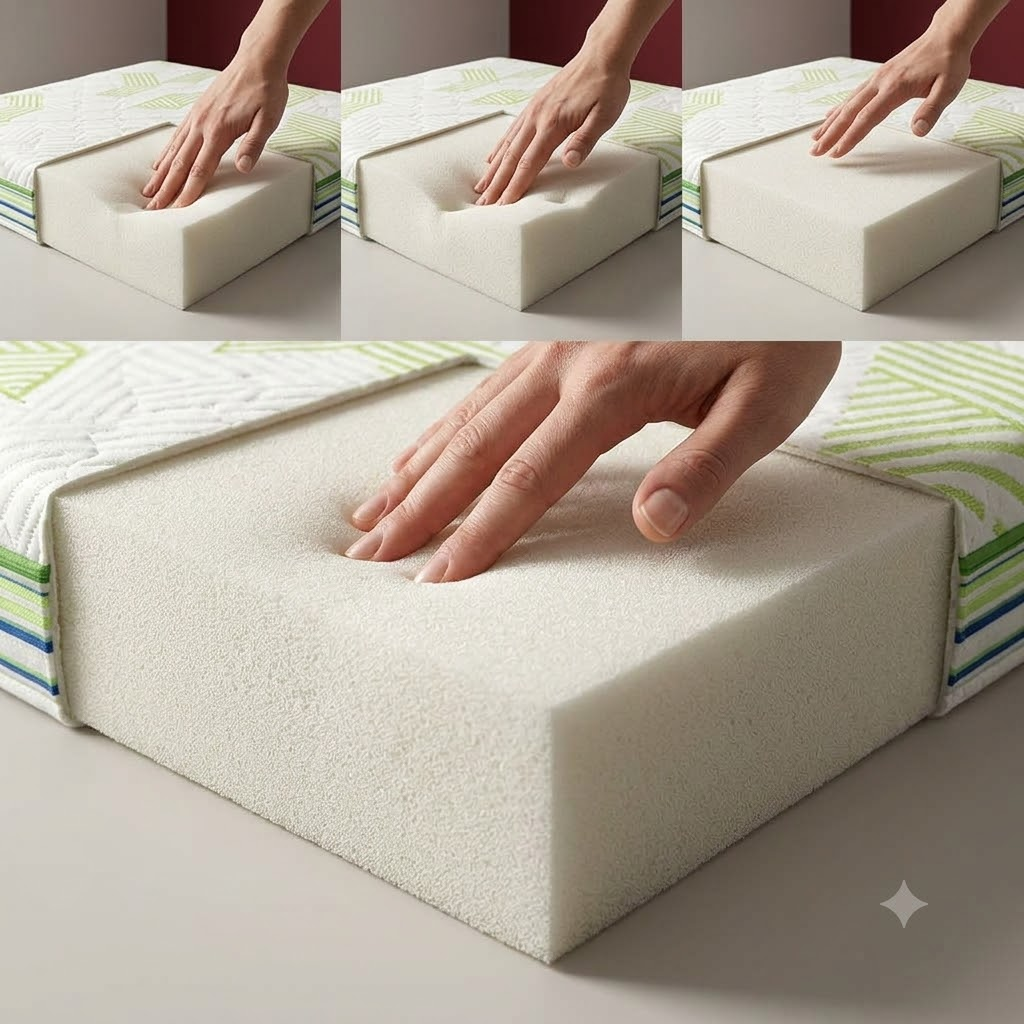
How Coirfit Approaches HR Foam Comfort
At Coirfit, foam isn’t treated as simply a filling material.
The way a foam performs depends on its characteristics, construction and application.
Coirfit HR foam is designed with a focus on resilience, consistency and dependable performance for comfort applications.
For mattress applications, HR foam can provide the responsive support that many sleepers look for in an everyday sleeping surface.
The objective isn’t to make a mattress feel excessively hard or excessively soft.
It’s about creating a balance where the mattress can cushion the body while still responding to movement.
That balance becomes particularly important when the mattress is used every night.
What Should You Look for in an HR Foam Mattress?
If you’re considering an HR foam mattress because of back or joint discomfort, don’t choose based on the material name alone.
Here are several things worth considering.
1. Firmness
Think about how firm you actually find comfortable.
Don’t assume that the firmest mattress is automatically the most supportive.
2. Foam Quality
Ask about the type and quality of foam used in the mattress.
HR foam can vary in density, resilience and performance.
3. Overall Construction
Look at the complete mattress rather than focusing on one layer.
The combination of materials and their arrangement affects the final feel.
4. Your Sleeping Position
A side sleeper may have different cushioning needs from a back or stomach sleeper.
5. Body Weight
Body weight can influence how deeply you interact with the mattress surface.
6. Movement
If you change positions frequently, a responsive mattress may feel more comfortable than one that allows deep sinking.
7. Warranty and Care
Always understand the manufacturer’s warranty and care instructions before purchasing.
Signs Your Current Mattress May Not Be Supporting You Well
Before immediately deciding that you need an HR foam mattress, look at your current mattress.
Does it have:
- Noticeable sagging?
- Permanent body impressions?
- Uneven cushioning?
- A significant change in feel?
- Areas that feel unusually hard or soft?
- Visible deterioration?
- A sleeping surface that no longer feels comfortable?
If your mattress has developed significant wear, changing to a different mattress construction may make a noticeable difference in comfort.
And if you’re consistently waking up uncomfortable, it’s worth considering the mattress as one possible factor.
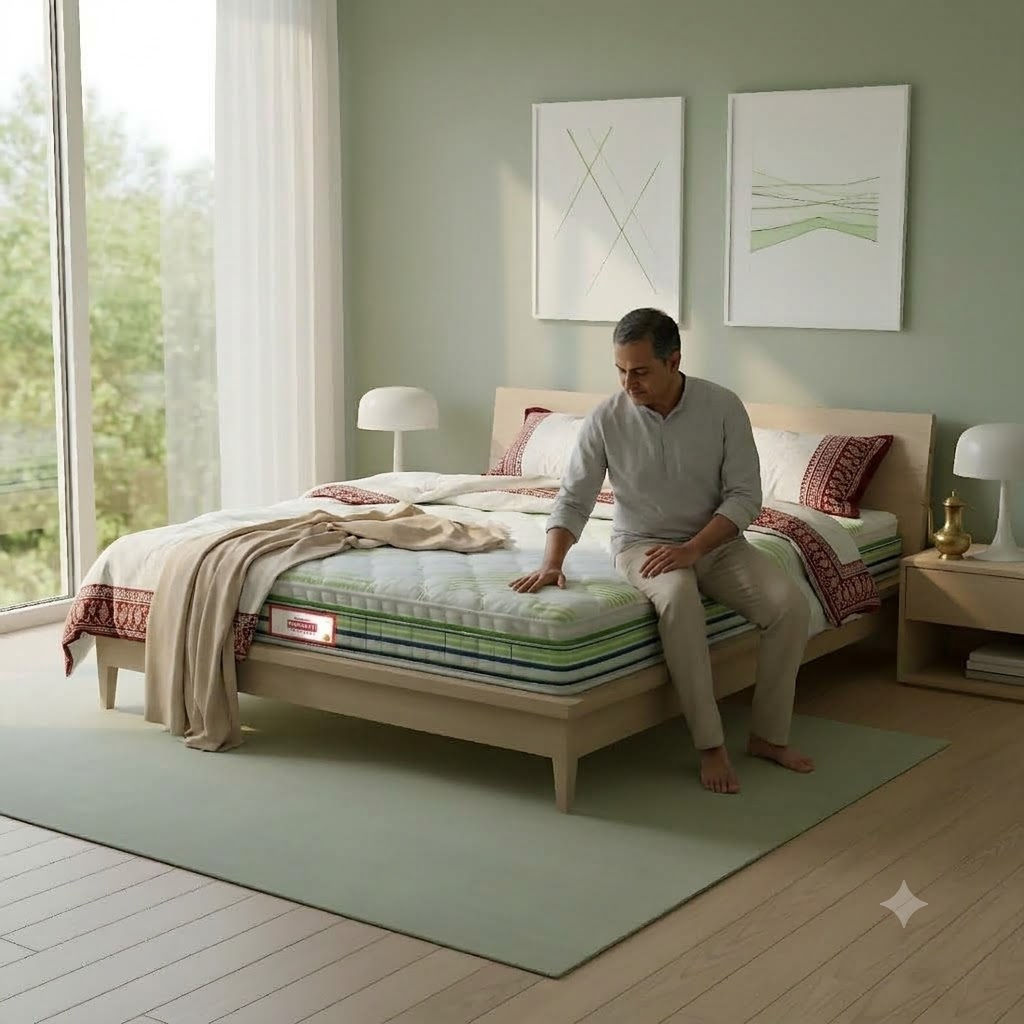
Can the Right Mattress Improve Sleep Comfort?
For many people, comfort begins with feeling properly supported.
If your mattress is uncomfortable, too soft, too firm or visibly worn, it can make settling down at night more difficult.
A mattress that suits your sleeping position and provides a comfortable balance of cushioning and support may make it easier to relax.
That’s one reason HR foam is worth considering.
Its responsive character can provide a sleeping surface that feels supportive without creating the deep sinking sensation some sleepers dislike.
But remember:
A mattress is one part of good sleep—not the whole picture.
Your sleep schedule, stress levels, room temperature, pillow, physical activity and other lifestyle factors also matter.
When Should You Speak to a Healthcare Professional?
If you have persistent back or joint pain, a mattress should not be your only solution.
Consider speaking with a qualified healthcare professional if your pain:
- Continues for an extended period
- Is severe or worsening
- Interferes with daily activities
- Is accompanied by numbness or weakness
- Follows an injury
- Frequently wakes you during the night
A mattress can contribute to sleeping comfort, but it cannot diagnose or treat the underlying cause of pain.
The right approach is to address the health concern appropriately while also creating a comfortable sleep environment.
Is HR Foam a Good Choice for Everyday Sleeping?
For sleepers who want a combination of resilience, responsiveness and supportive cushioning, HR foam can be an attractive option.
It can be especially appealing if you:
- Prefer a responsive mattress
- Move frequently during sleep
- Don’t enjoy excessive sinking
- Want cushioning without losing a supportive feel
- Are looking for a mattress suitable for everyday use
The final choice should always come down to your personal comfort, sleeping position and the complete construction of the mattress.
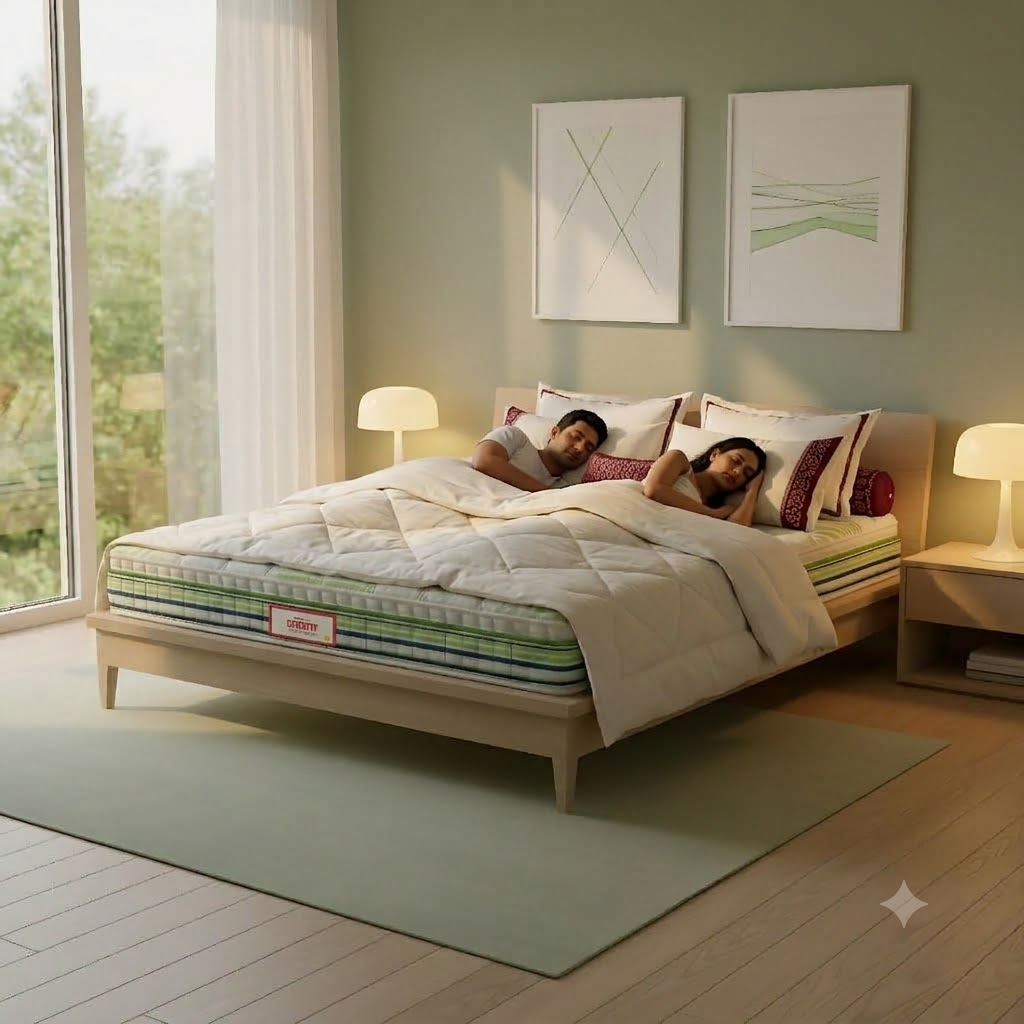
Final Thoughts: Can HR Foam Help With Back and Joint Discomfort?
A mattress cannot promise to cure back pain or joint pain.
But that doesn’t mean your mattress is irrelevant.
The right sleeping surface can make a meaningful difference to everyday comfort by providing appropriate cushioning, responsive support and a stable place to rest.
HR foam is particularly interesting because of its resilience and responsive feel.
For people who prefer a mattress that cushions the body without allowing excessive sinking, it can be a practical material to consider.
The key is not simply choosing “HR foam.”
It’s choosing an HR foam mattress with the right firmness, construction and feel for your body and sleeping style.
At Coirfit, the focus remains on creating foam solutions with quality, consistency and comfort in mind.
Because a good night’s sleep shouldn’t require you to think about your mattress all night.
It should simply feel right.
And when you wake up, you should feel ready to start your day.
Frequently Asked Questions
1. Can an HR foam mattress help with back pain?
An HR foam mattress may contribute to better sleeping comfort by providing responsive cushioning and support. However, it should not be considered a treatment or cure for back pain. Persistent or severe pain should be evaluated by a qualified healthcare professional.
2. Is HR foam good for people who experience joint discomfort?
HR foam can provide cushioning and distribute pressure across the sleeping surface, which may make sleeping more comfortable for some people. The right firmness and mattress construction are important, and individual comfort can vary.
3. Is a firm mattress better for back pain?
Not necessarily. Firmness and support are different things. A mattress that is excessively firm may be uncomfortable for some sleepers, while a mattress that is too soft may not provide the support they prefer. The ideal feel depends on the individual.
4. What does HR foam mean in a mattress?
HR stands for High Resilience. HR foam is designed to respond to pressure and recover its shape relatively quickly. This gives it a responsive, resilient feel that can be useful in mattress construction.
5. Is HR foam suitable for side sleepers?
It can be. Side sleepers often appreciate cushioning around pressure-sensitive areas such as the shoulders and hips. However, the overall firmness and construction of the mattress should suit the individual’s body and sleeping preference.
6. How do I choose the right HR foam mattress?
Consider the foam quality, overall mattress construction, firmness, sleeping position, body weight, preferred feel, warranty and care requirements. If you experience persistent or significant pain, address the underlying health concern with a healthcare professional rather than relying on a mattress alone.
A Better Way to Think About Mattress Comfort
You don’t need a mattress that promises to fix everything.
You need one that supports your body comfortably while you rest.
That’s where thoughtful foam construction matters.
Coirfit — engineered for comfort, built for everyday living.