

We spend a surprising amount of our lives on our mattresses.
Night after night, your mattress supports you while you sleep, helps you settle into a comfortable position and becomes part of your daily routine. Yet because a mattress is always there, it’s easy to overlook the signs that it may no longer be doing its job as well as it once did.
You may notice a little discomfort when you wake up. Perhaps there’s a visible dip in the middle of the mattress. Or maybe you sleep much better when you’re away from home.
These things can seem minor at first.
But sometimes, they’re your mattress telling you that it’s time for a change.
So, how do you know when it’s time to replace your mattress?
There isn’t one universal replacement date that applies to everyone. Mattress lifespan can vary depending on its materials, construction, usage, maintenance and the people sleeping on it.
Instead, it’s better to pay attention to the condition of your mattress and, more importantly, how you feel when you wake up.
Here are seven signs that your mattress may be ready for replacement.
1. You Wake Up With Regular Body Discomfort
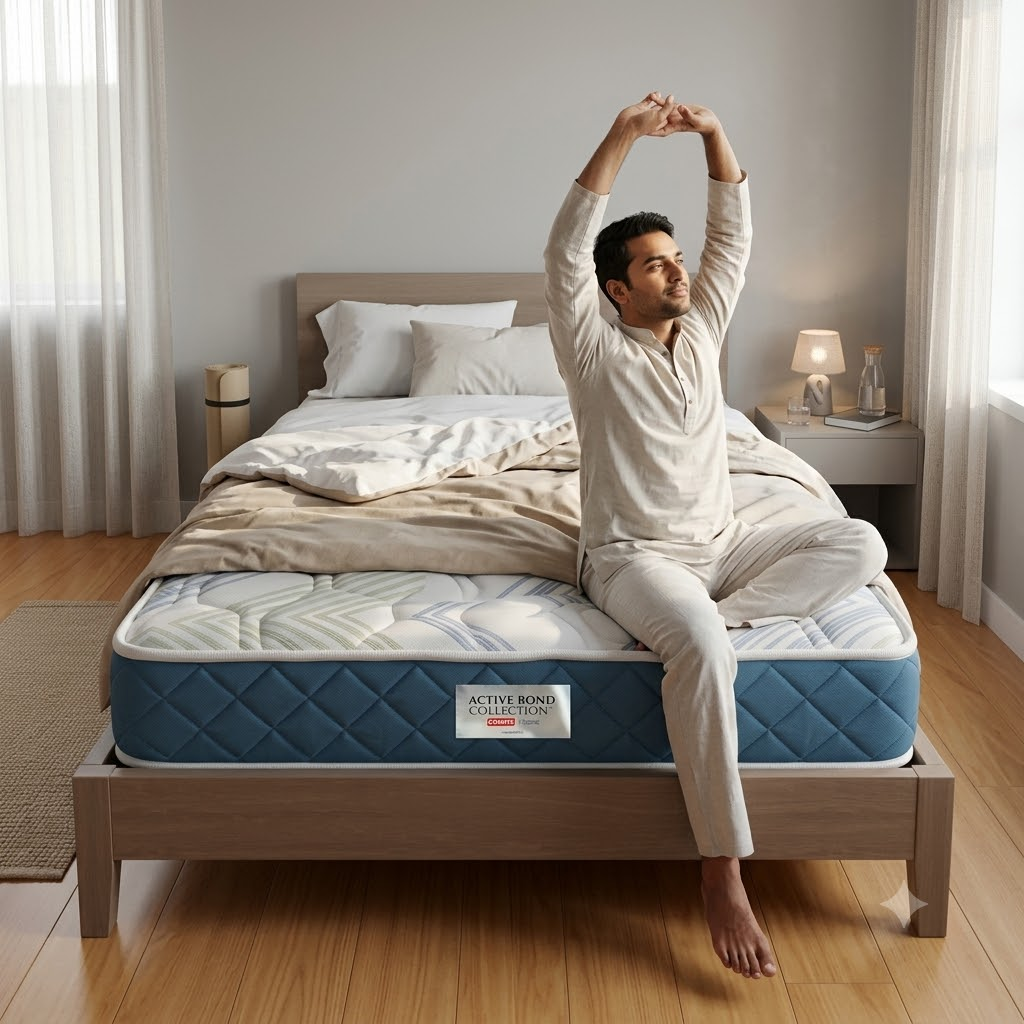
One of the clearest signs that your mattress may need attention is how you feel when you get out of bed.
If you regularly wake up feeling stiff or uncomfortable, don’t automatically blame your sleeping position or your busy day.
Your mattress could be contributing to the problem.
Over time, the materials inside a mattress can change. The surface may no longer provide the same level of cushioning or support that it did when it was new.
You may notice discomfort particularly around areas that carry more body weight during sleep.
Of course, waking up uncomfortable doesn’t automatically mean your mattress needs replacing. Your pillow, sleeping position, activity level and many other factors can also affect how you feel.
But if the discomfort is becoming a regular pattern—and your mattress is showing other signs of wear—it’s worth taking a closer look.
A useful question to ask yourself:
“Did I used to wake up feeling more comfortable on this mattress?”
If the answer is consistently yes, your mattress may no longer be providing the same sleeping experience.
2. There’s a Visible Dip or Sagging
Take a look at your mattress during the day.
Does the surface still look relatively even?
Or can you clearly see a depression where you usually sleep?
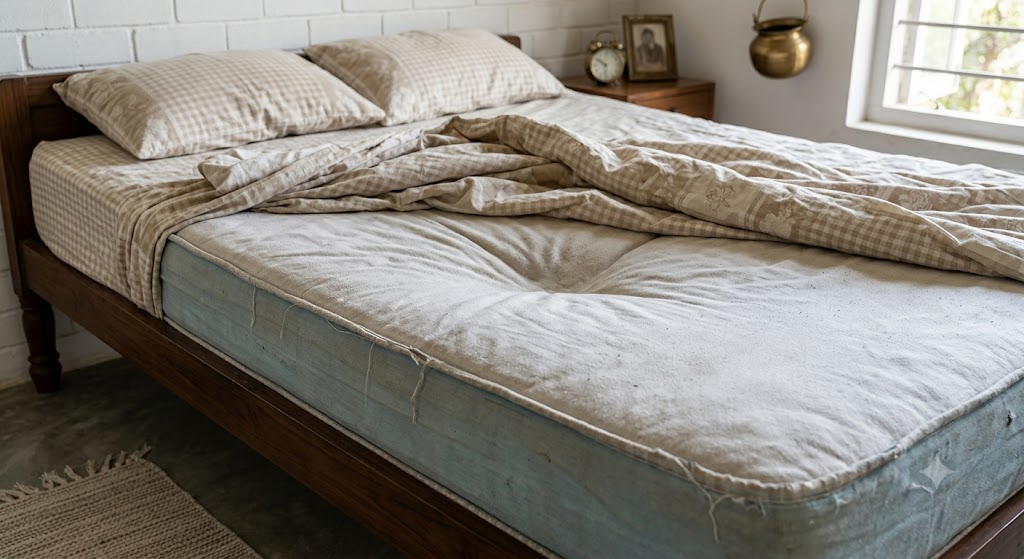
A visible dip, sagging area or uneven surface is one of the easiest signs to identify.
Some mattresses naturally develop changes in feel over years of regular use. But significant sagging can affect how evenly your body is supported while you sleep.
You may also notice that you naturally roll toward the same area of the mattress instead of remaining comfortably positioned.
If the mattress looks noticeably different from when you bought it, that’s worth paying attention to.
Don’t judge it only from the edge.
Stand at the foot of the bed and look across the entire sleeping surface.
A mattress can sometimes appear perfectly fine when viewed from the side but reveal noticeable unevenness when viewed from above.
3. You Sleep Better Somewhere Else
Here’s a surprisingly useful test.
How do you sleep when you’re travelling?
Maybe you stay at a hotel and wake up feeling refreshed.
Maybe you sleep comfortably at a friend’s home.
Maybe you notice that your body feels more relaxed after sleeping on a different mattress for a few nights.
This doesn’t necessarily mean that every mattress away from home is better than yours.
But if you consistently sleep more comfortably elsewhere and struggle to get comfortable in your own bed, it may be worth examining your mattress.
Your sleep environment includes many things—room temperature, pillows, noise, routine and stress—but the mattress is an important part of that environment.
Try paying attention to the pattern.
One comfortable night away from home doesn’t tell you much.
A repeated difference might.
4. You Can Feel the Mattress Materials Breaking Down
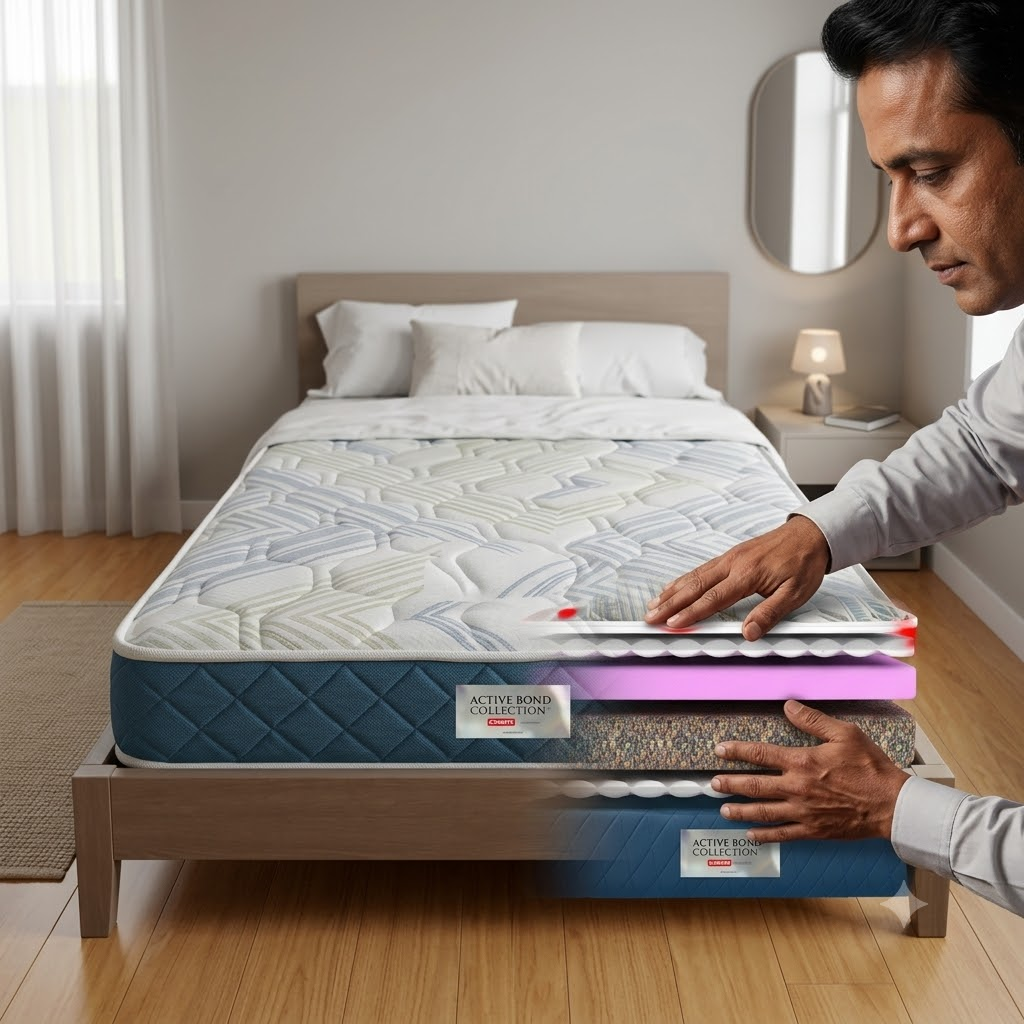
Your mattress may look fine from the outside while its internal materials are changing.
Depending on the construction, you may notice:
- Uneven cushioning
- Lumps or bumps
- Areas that feel harder or softer than others
- Reduced responsiveness
- A noticeable change from its original comfort
- Noisy or weakened spring components in spring mattresses
When you first purchased the mattress, you probably had a particular feel in mind.
If that feeling has changed significantly over time, it’s worth asking whether the mattress has reached the end of its useful life.
A mattress doesn’t have to look dramatically damaged before replacement becomes worth considering.
Sometimes, the change in comfort is the sign.
5. The Mattress Has Become Uncomfortable Even Though You Haven’t Changed
Sometimes your body isn’t the thing that changed.
The mattress did.
You may suddenly find yourself turning more often at night, struggling to find a comfortable position or adjusting your pillows repeatedly.
Perhaps you used to lie down and fall asleep naturally, but now you spend more time trying to get comfortable.
Again, there can be many reasons for changes in sleep.
Stress, lifestyle, room temperature, your pillow and your sleeping habits can all play a role.
But if you’ve ruled out the obvious changes and your mattress has also been used regularly for years, its condition deserves consideration.
Comfort isn’t something you should have to negotiate with every night.
Your bed should make settling down easier—not become another problem to solve at bedtime.
6. Your Mattress Is Showing Significant Wear and Tear
Sometimes the sign is straightforward.
Your mattress is simply looking worn out.
Look for things such as:
- Torn or damaged fabric
- Deep permanent impressions
- Broken or exposed components
- Significant deterioration around the edges
- Flattened cushioning
- Persistent unevenness
- Damage that affects the usable sleeping surface
Normal cosmetic wear isn’t necessarily a reason to replace a mattress immediately.
But when visible deterioration begins affecting the mattress’s comfort, support or usability, it’s time to assess whether replacement makes more sense than continuing to use it.
And if your mattress is still within its warranty period, check the applicable warranty terms before purchasing a replacement.
Not every type of wear or damage is necessarily covered under a mattress warranty, so understanding the specific terms is important.
7. Your Mattress Is Simply Old and No Longer Feels Like It Used To
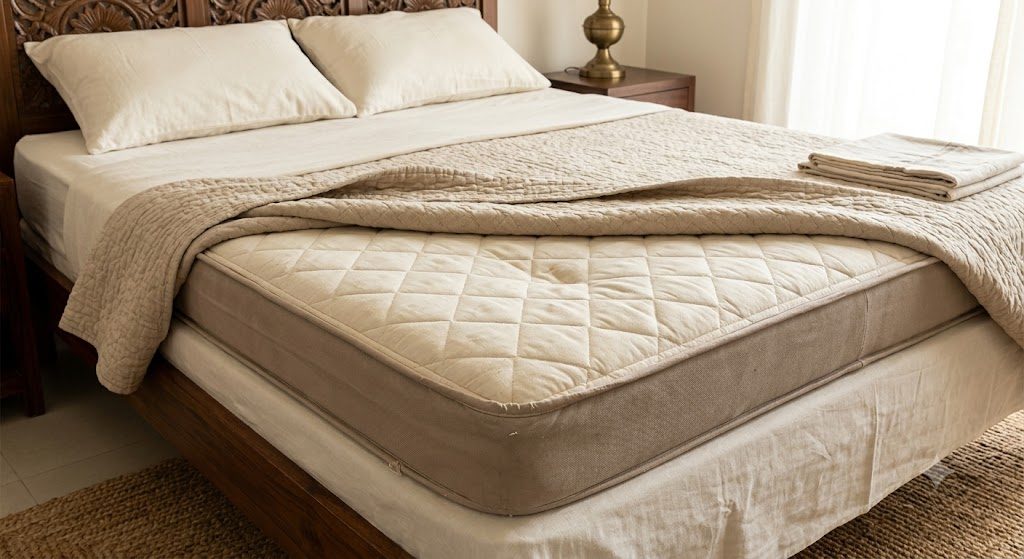
Sometimes, the biggest clue is simply time.
A mattress doesn’t come with one fixed expiry date.
Different mattress materials and constructions can have different useful lifespans. Usage also matters.
A mattress used every night by two adults will naturally experience a different level of wear from a mattress used occasionally in a guest room.
That’s why age should be considered together with condition.
Ask yourself:
Does it still feel supportive?
Does the surface remain comfortable?
Has its feel changed significantly?
Are there visible signs of deterioration?
Do I consistently sleep comfortably on it?
If the answers are increasingly negative, your mattress may have reached the point where replacement deserves serious consideration.
So, How Often Should You Replace a Mattress?
There’s no single number that applies to every mattress.
The right time depends on several factors:
Mattress Material
Foam, latex, spring and hybrid constructions can behave differently over time.
Frequency of Use
A mattress used every night will experience more wear than one used occasionally.
Number of Sleepers
A mattress shared by two people generally experiences more daily load than one used by a single sleeper.
Maintenance
Using a suitable protector, keeping the mattress clean and following the manufacturer’s care instructions can help maintain its condition.
Mattress Quality
Construction and material quality can influence how a mattress performs over time.
So rather than replacing your mattress simply because a certain number of years has passed, look at the mattress itself.
Its condition is often more useful than a calendar reminder.
Before You Replace Your Mattress, Check These Things
A new mattress is an important purchase.
Before deciding that replacement is the only answer, take a few minutes to investigate what’s happening.
Check Your Bed Base
An unsuitable or damaged bed base can affect how a mattress performs.
Make sure your mattress is sitting on an appropriate foundation.
Check Your Pillow
Sometimes what feels like a mattress problem is actually related to an unsuitable pillow.
Your pillow and mattress work together to create your overall sleeping position.
Rotate Only If Recommended
Some mattresses can be rotated according to manufacturer instructions, while others are designed with a specific orientation.
Don’t automatically flip or rotate your mattress unless the manufacturer recommends doing so.
Check the Warranty
If the mattress is relatively new and you’re seeing significant issues, check your warranty documentation before replacing it.
The manufacturer may have a specific process for assessing potential warranty concerns.
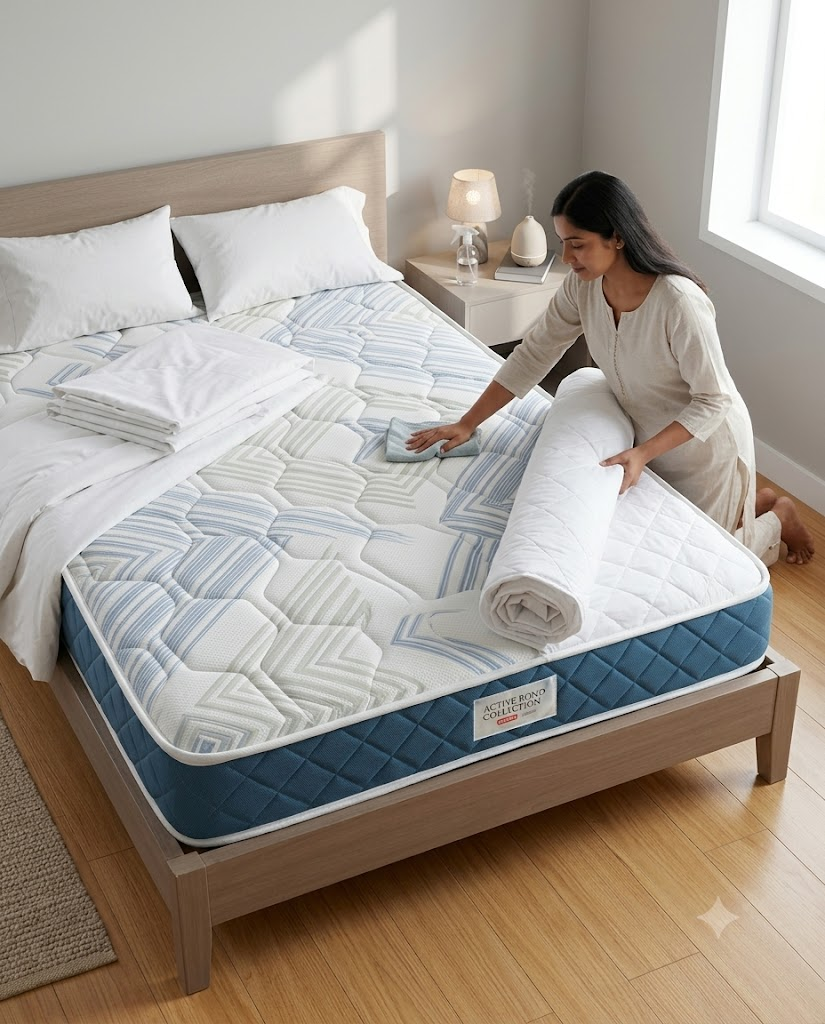
What Should You Look for in a New Mattress?
Once you’ve decided that it’s genuinely time for a replacement, don’t make the same mistake of choosing purely by price or appearance.
Think about how you actually sleep.
Consider Your Sleeping Position
Side, back and stomach sleepers can have different comfort preferences.
Think About Firmness
A mattress should feel comfortable to you—not simply match someone else’s recommendation.
Consider Your Body and Sleeping Partner
If you’re sharing the bed, think about both people’s comfort preferences.
Look at the Construction
Understand what the mattress is made from and how its internal structure is designed.
Consider the Warranty
A clear warranty can give you useful information about the manufacturer’s confidence in the product and tells you what is covered after purchase.
Don’t Ignore Breathability
If you tend to sleep warm, consider a mattress construction that supports airflow and suits your sleeping environment.
Why Choosing the Right Mattress Matters
Replacing your mattress isn’t simply about buying something new.
It’s about improving one of the most-used pieces of furniture in your home.
You spend night after night on it.
You rest there after a long working day.
You wake up there every morning.
That’s why the right mattress should be considered as part of your overall sleep environment rather than simply another household purchase.
At Coirfit, the focus is on creating sleep solutions that combine thoughtful mattress construction with comfort and support for different sleeping preferences.
With options across different materials and constructions, Coirfit allows sleepers to consider what works for their individual needs instead of treating mattress shopping as a one-size-fits-all decision.
The goal is simple:
A mattress should support your sleep—not make you think about it all night.
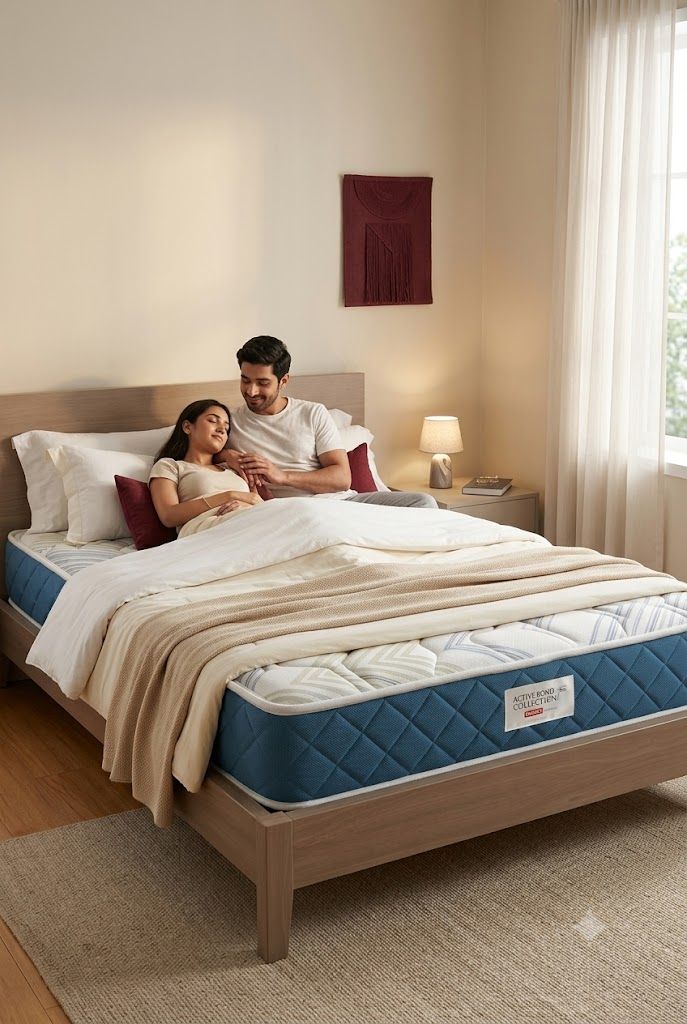
Mattress Replacement Doesn’t Have to Be a Guessing Game
The idea of replacing a mattress can feel like a big decision.
But it doesn’t have to be complicated.
Start with what your mattress is telling you.
Is it sagging?
Has the comfort changed?
Are you waking up uncomfortable?
Does the mattress look significantly worn?
Are the materials showing signs of deterioration?
Do you sleep noticeably better somewhere else?
Has the mattress simply reached a point where it no longer feels like the mattress you originally bought?
If several of these signs sound familiar, it may be time to start exploring your options.
And when you do, take your time.
Think about your sleeping position, firmness preference, mattress construction, size, warranty and budget.
Because replacing a mattress isn’t about buying the newest thing.
It’s about finding a sleeping surface that works for you today.
Final Thoughts
A mattress doesn’t suddenly become unsuitable overnight.
Usually, the signs appear gradually.
A little more stiffness in the morning.
A small dip in the surface.
A change in how the mattress feels.
More tossing and turning.
A little more wear than you remember seeing before.
Individually, these signs may not mean much.
But when several start appearing together, they can tell you something important: your mattress may no longer be giving you the comfort and support you expect from it.
That’s when it’s worth taking a closer look.
And when the time comes for a replacement, choose thoughtfully.
Because better sleep begins with a mattress that works with your body, your habits and your everyday life.
Choose comfort thoughtfully. Choose support confidently. Choose Coirfit.
Frequently Asked Questions
1. How do I know when I need to replace my mattress?
Look for multiple signs rather than relying on age alone. Regular discomfort after waking, visible sagging, unevenness, significant wear, changes in the mattress feel and difficulty getting comfortable can all indicate that replacement may be worth considering.
2. How many years does a mattress last?
There isn’t one fixed lifespan for every mattress. Longevity depends on the materials, construction, quality, frequency of use, number of sleepers and maintenance. The condition and performance of your mattress are important indicators.
3. Is waking up with stiffness a sign that I need a new mattress?
It can be one possible sign, particularly if the discomfort occurs regularly and your mattress is also showing other signs of wear. However, sleep position, pillow choice, activity and other factors can also contribute to morning discomfort.
4. Does mattress sagging mean I should replace it?
Significant or permanent sagging can be a reason to consider replacing a mattress because it may change the way your body is supported. If the mattress is still under warranty, check the applicable warranty terms before deciding to replace it.
5. Can a mattress look fine but still need replacing?
Yes. A mattress doesn’t necessarily need visible damage to have changed significantly. Loss of cushioning, altered support, reduced responsiveness or a noticeable change in comfort can also indicate that the mattress is no longer performing as expected.
6. What should I consider when buying a replacement mattress?
Consider your sleeping position, preferred firmness, mattress material and construction, bed size, number of sleepers, budget, warranty and any available trial or return terms. Most importantly, choose a mattress based on your own comfort and support needs rather than simply following a general recommendation.
A Simple Rule for Your Next Mattress
Don’t replace your mattress just because it’s old. Replace it when its condition and comfort no longer meet your needs.
And when that time comes, choose a mattress designed to make your nights more comfortable and your mornings more welcoming.
Coirfit — Comfort crafted for better sleep.