

When people invest in a latex mattress, one question quietly sits in the back of their mind: Is this really going to last?
Not just for a year or two—but through changing sleep habits, weight shifts, seasons, and daily wear.
Latex mattresses are often spoken about as “long-lasting,” but longevity depends on more than just the word latex. It depends on material quality, construction, usage, and care—especially in Indian climates.
Let’s break it down honestly.
The Short Answer: How Long Does a Latex Mattress Last?
A high-quality natural latex mattress typically lasts 12 to 15 years, sometimes even longer with proper care.
That’s nearly double the lifespan of most foam or spring mattresses.
But not all latex mattresses age the same way—and that’s where understanding the details matters.
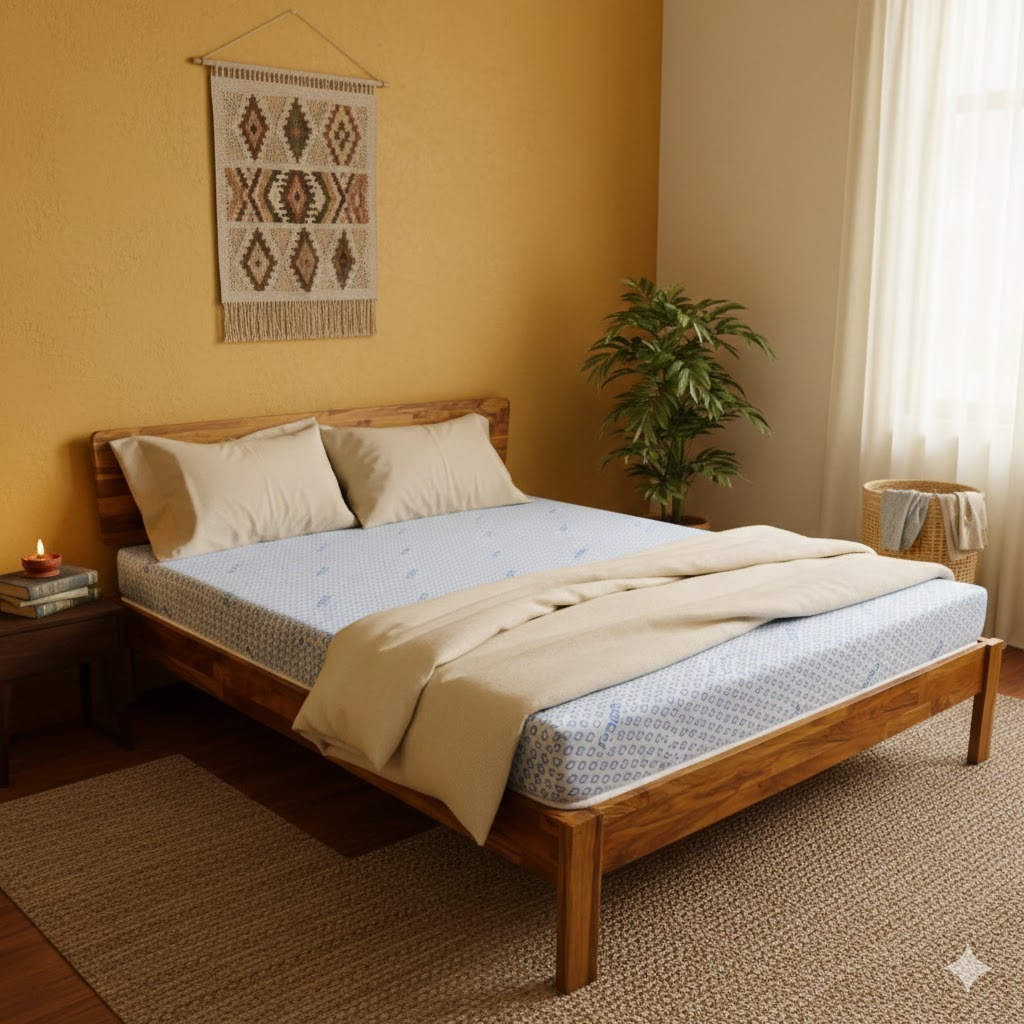
Why Coirfit Latex Mattresses Last Longer Than Others
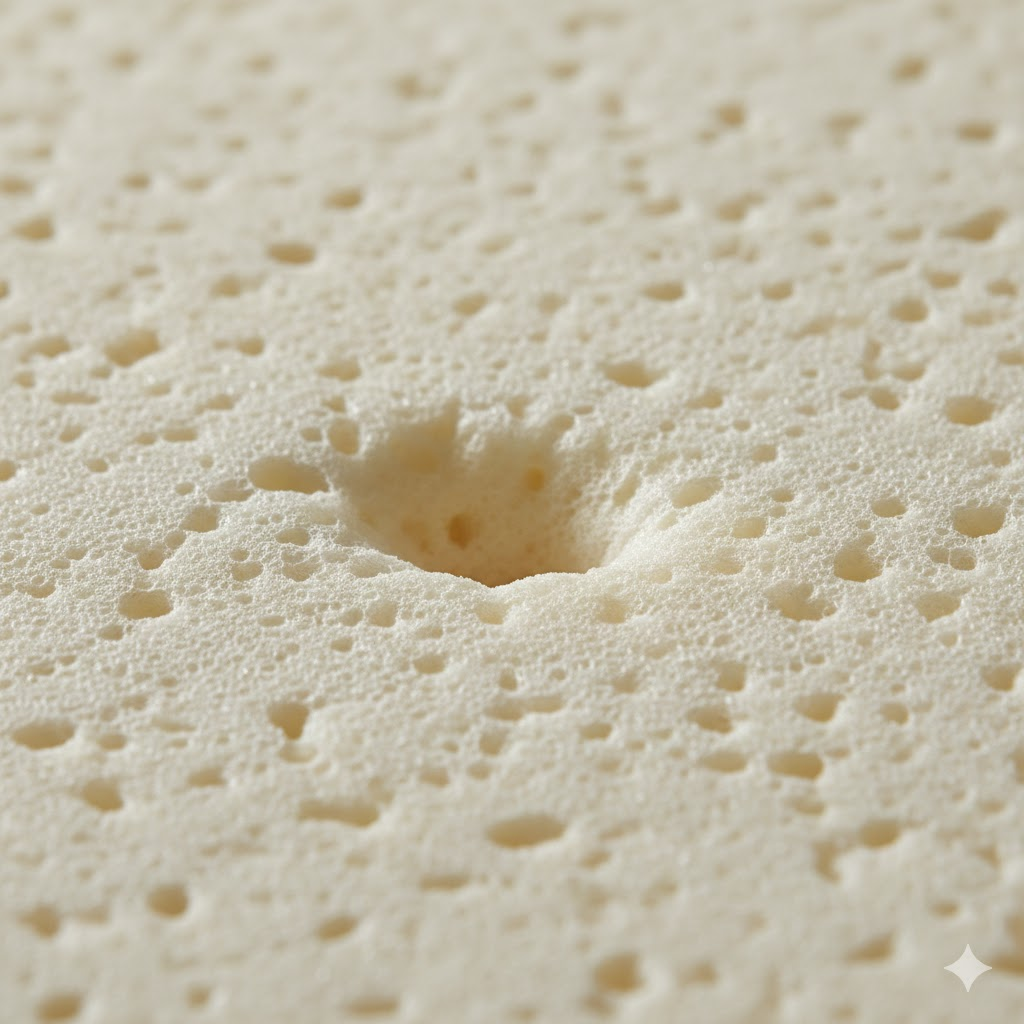
Coirfit Latex isn’t just another foam. It behaves differently under pressure—and that’s what protects it over time.
What makes latex durable:
It springs back instantly instead of staying compressed
- It distributes body weight evenly, reducing stress points
It resists sagging, cracks, and material breakdown
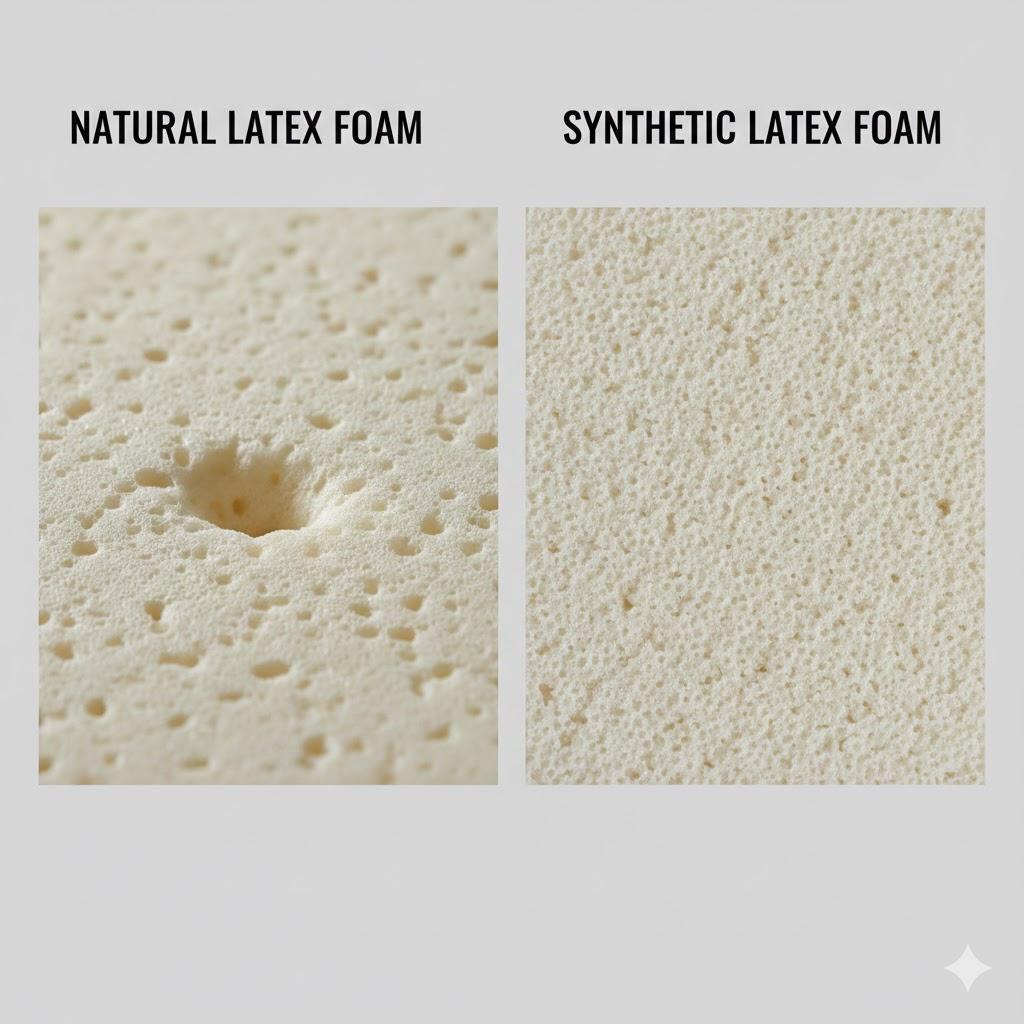
Natural Latex vs Synthetic Latex: Lifespan Difference
This is where many buyers unknowingly shorten mattress life.
- Natural latex: Derived from rubber tree sap, highly elastic, ages slowly
- Synthetic latex: Petroleum-based, less flexible, degrades faster
A mattress made with higher natural latex content can easily outlast one made primarily with synthetic blends.
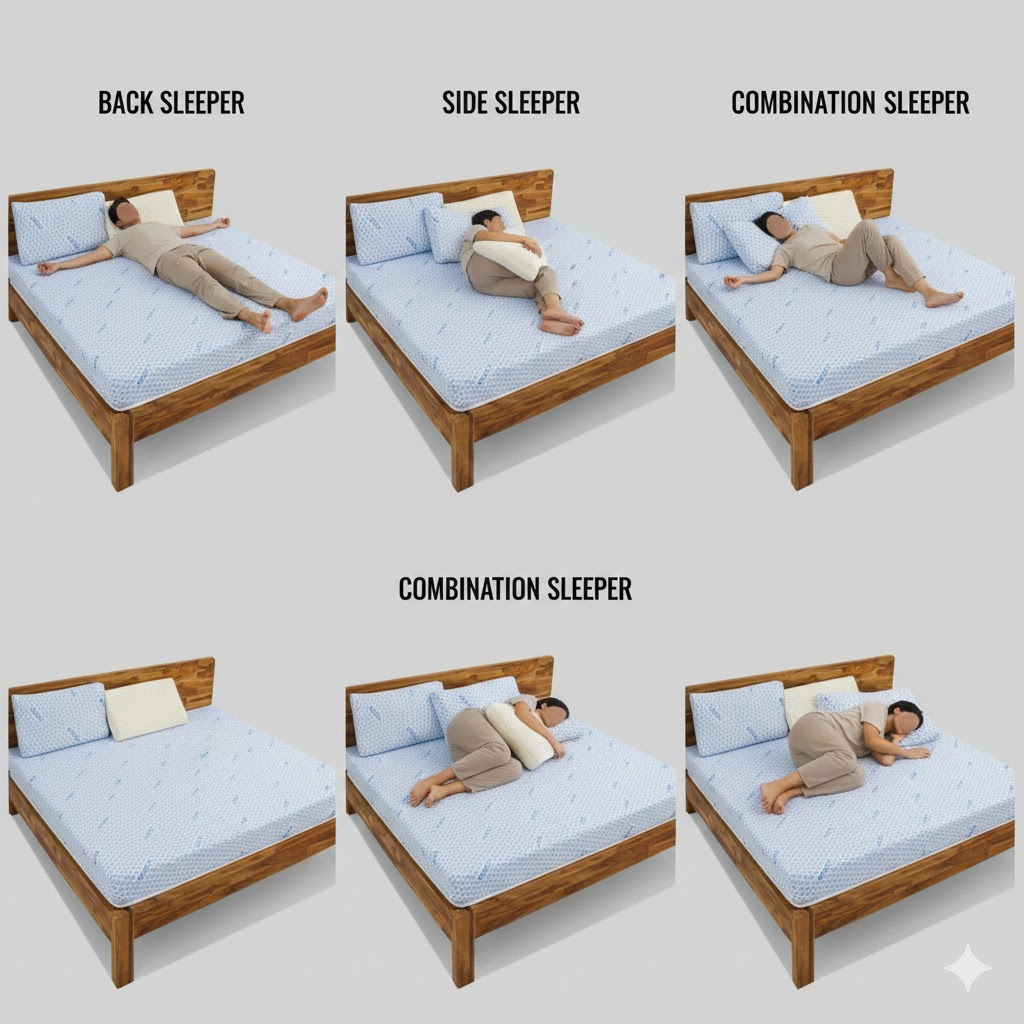
How Daily Use Affects Latex Mattress Lifespan
A latex mattress doesn’t “wear out” suddenly—it ages gradually based on how it’s used.
Factors that influence lifespan:
- Body weight of sleepers
Sleeping position (back, side, combination)
- Frequency of use
- Bed base quality (solid vs uneven support)
Even with daily use, good latex maintains shape far longer than conventional foams.
Indian Climate & Latex Mattress Longevity
Heat and humidity can shorten the life of many mattresses—but latex handles Indian conditions better than most.
Why?
- Naturally breathable open-cell structure
- Resistant to moisture retention
- Less prone to mold and odor buildup
That’s why latex mattresses age more gracefully even in coastal or humid regions.
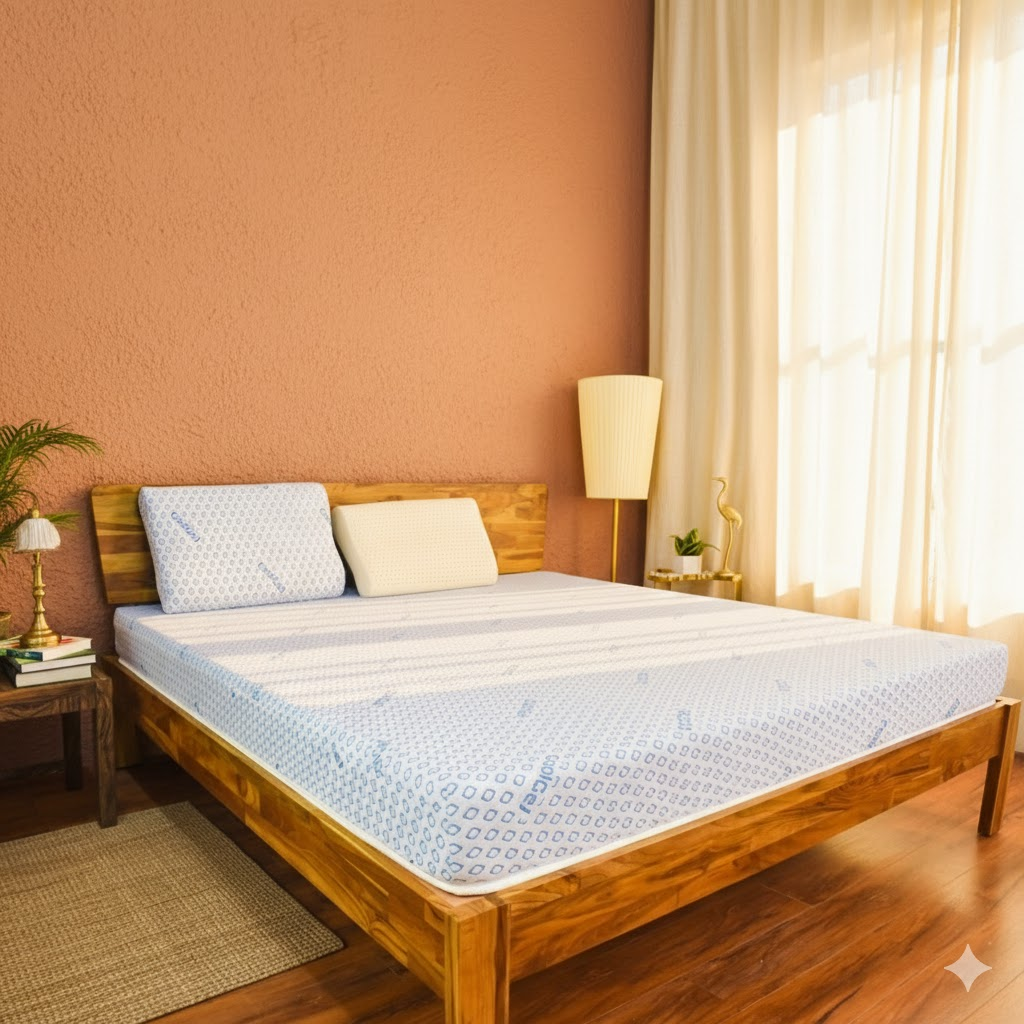
Signs Your Latex Mattress Is Nearing the End of Its Life
Latex lasts long—but not forever. Watch for these signs:
- Noticeable loss of bounce
- Persistent body impressions
- Reduced comfort despite correct posture
- Waking up with new aches that weren’t there before
Unlike spring mattresses, latex doesn’t suddenly collapse—it quietly tells you when it’s time.
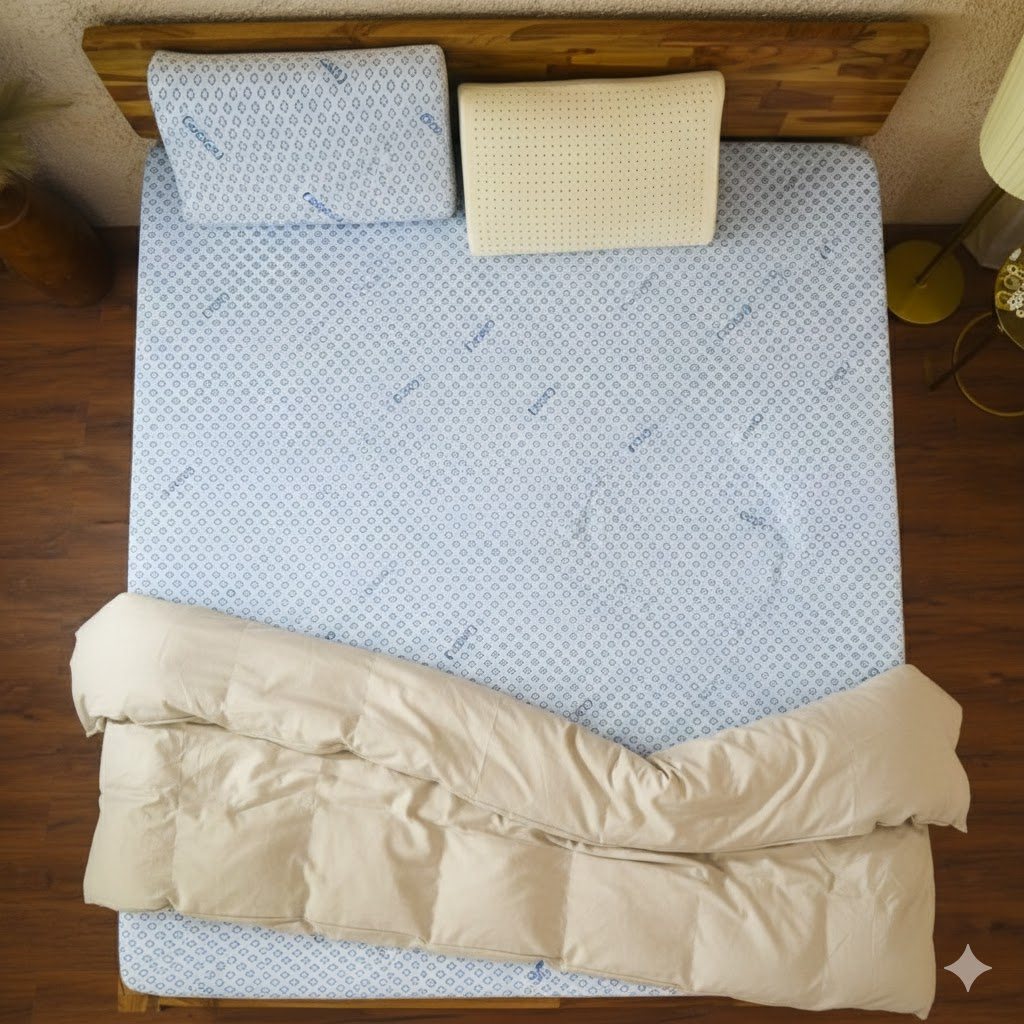
How to Make a Latex Mattress Last Even Longer
A few simple habits can add years to its life:
- Use a solid, even bed base
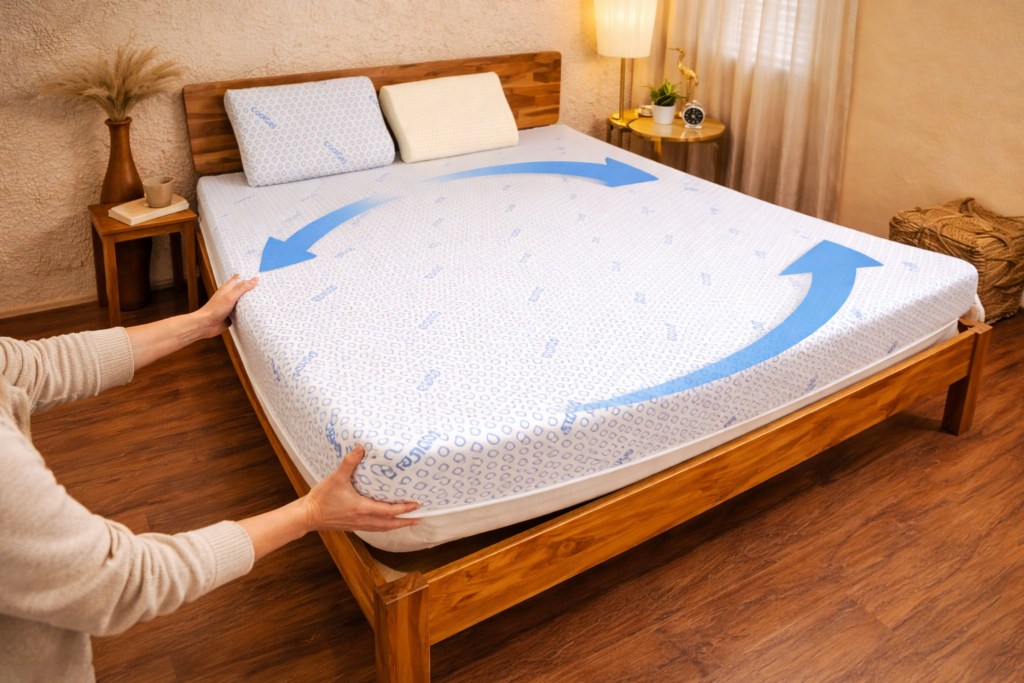
- Rotate the mattress every 6–8 months
- Keep it dry and well-ventilated
- Avoid folding or bending latex layers
Latex rewards gentle, consistent care
Is a Latex Mattress Worth the Long-Term Investment?
If you look at cost per year—not just upfront price—latex mattresses often turn out to be more economical than cheaper alternatives replaced every 5–6 years.
You’re not just buying a mattress.
You’re buying years of stable support, comfort, and consistency.
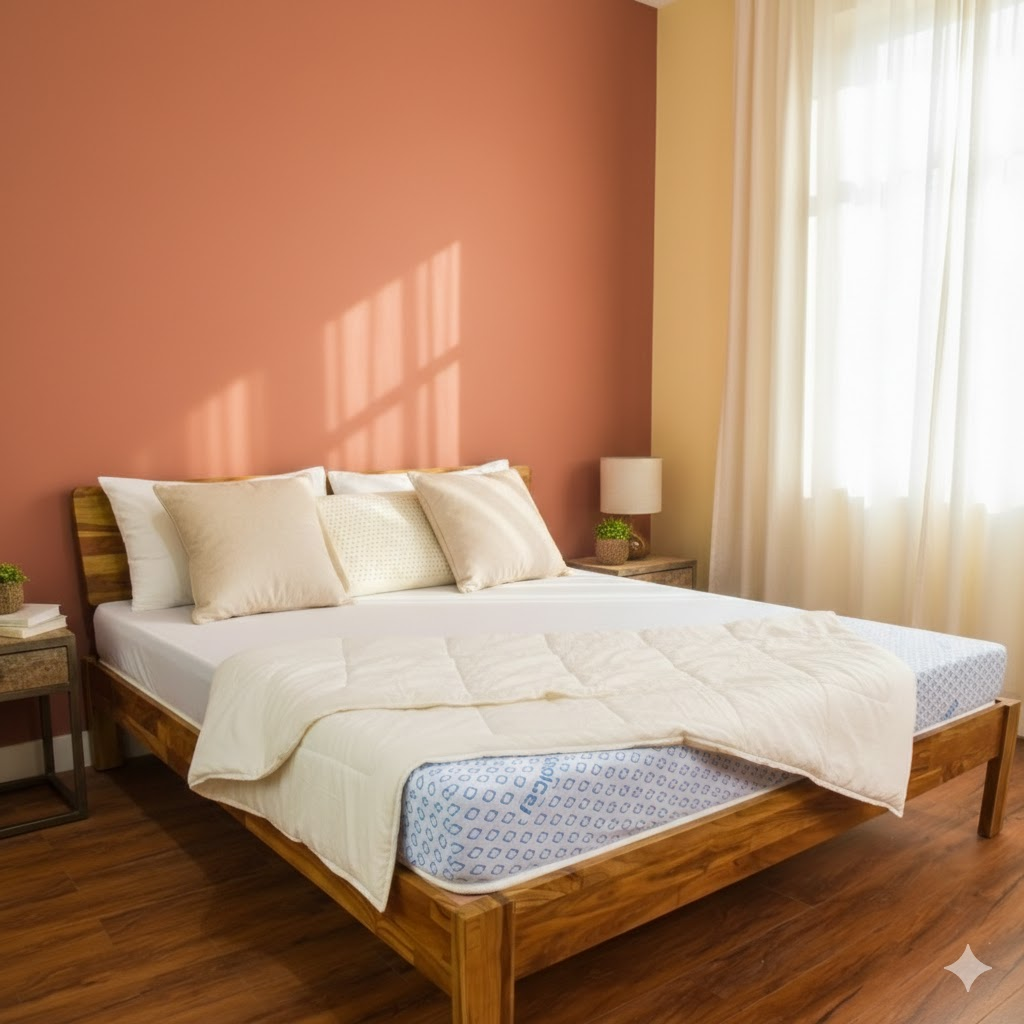
Final Thought
A latex mattress doesn’t age like most mattresses—it evolves slowly, maintaining support long after others fail.
For sleepers who value consistency, orthopedic balance, and long-term comfort, latex stands apart.
Longevity isn’t just about how long a mattress lasts—it’s about how well it supports you along the way.