

A Complete Guide to Finding Comfort, Support, and Better Sleep with Coirfit Mattress
Finding the perfect mattress isn’t easy for anyone. But for heavier individuals, the search can feel even more challenging. A mattress that feels comfortable in the showroom may start sagging within months. A mattress that feels soft enough at first may not provide the support needed throughout the night. And often, the wrong mattress can lead to discomfort, restless sleep, and waking up feeling less refreshed than expected.
This is where choosing the right memory foam mattress becomes important.
The good news is that today’s advanced memory foam mattresses are designed to deliver both softness and support—something that heavier sleepers need to enjoy truly restorative sleep.
In this guide, we’ll explore what heavy sleepers should look for in a mattress, why memory foam remains a popular choice, and how Coirfit’s thoughtfully engineered mattresses are designed to provide long-lasting comfort and support.
Why Mattress Selection Matters More for Heavy Sleepers
Every mattress responds differently depending on the amount of weight placed on it.
For heavier individuals, the mattress experiences greater compression, particularly around pressure points such as:
- Shoulders
- Hips
- Lower back
- Pelvic region
If a mattress lacks proper support, these areas can sink too deeply, affecting spinal alignment and overall sleep quality.
That’s why the ideal mattress for a heavier person should not simply be “soft.”
Instead, it should offer:
- Pressure relief
- Strong foundational support
- Durability
- Consistent comfort
- Balanced body alignment
The best sleep experience comes from finding the right combination of softness and structural support.
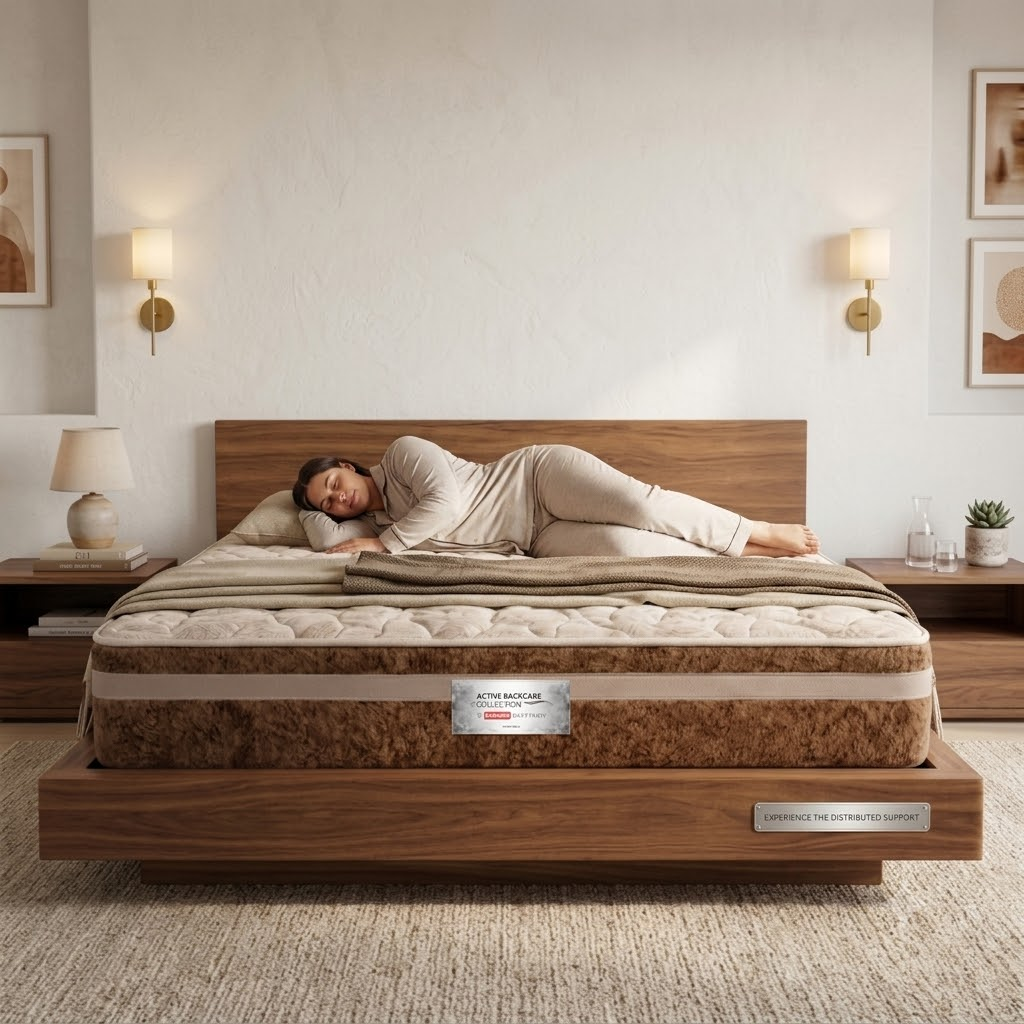
Is Memory Foam a Good Choice for Heavy People?
Absolutely.
Memory foam remains one of the most preferred mattress materials because it adapts to the body’s unique shape and sleeping position.
Unlike traditional sleep surfaces that may create pressure points, memory foam distributes body weight more evenly across the mattress.
For heavier sleepers, this can provide several important benefits.
Better Pressure Relief
Memory foam cushions areas that bear the most weight, helping reduce discomfort.
Improved Comfort
The contouring effect creates a personalized sleeping experience.
Reduced Motion Transfer
Movement on one side of the mattress is less likely to disturb a sleeping partner.
Enhanced Sleep Quality
A supportive and pressure-relieving surface can contribute to deeper, more restful sleep.
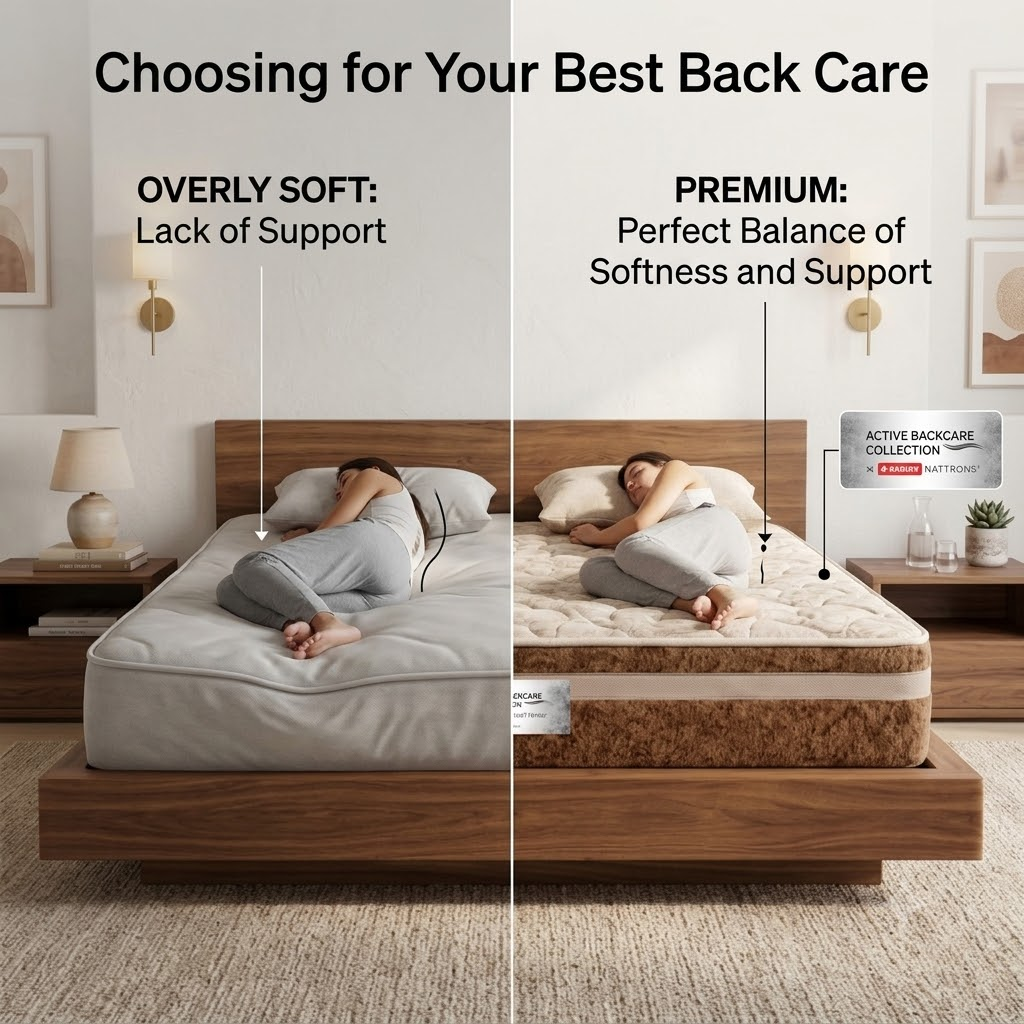
The Biggest Myth: Softer Is Always Better
One common misconception is that heavier sleepers should choose the softest mattress available.
In reality, an extremely soft mattress can sometimes create more problems than it solves.
When a mattress is too soft:
- The body may sink excessively
- Spinal alignment may be compromised
- Pressure can build in certain areas
- Movement becomes more difficult
The goal is not maximum softness.
The goal is balanced comfort.
A quality memory foam mattress should feel plush on the surface while maintaining reliable support underneath.
This combination allows the body to relax without sacrificing proper posture during sleep.
What Features Should Heavy Sleepers Look For?
Choosing the right mattress involves more than simply selecting memory foam.
Several key features contribute to long-term comfort and support.
High-Density Foam Layers
Higher-density materials help maintain shape and support over time.
Strong Support Core
A durable support layer prevents excessive sinking and promotes spinal alignment.
Pressure-Relieving Comfort Layer
The comfort layer should gently cushion the body while distributing weight evenly.
Motion Isolation
Especially beneficial for couples sharing a mattress.
Long-Term Durability
The mattress should maintain consistent performance through years of daily use.
These factors work together to create a sleep surface that feels comfortable night after night.
Why Proper Support Matters for Heavy Sleepers
A mattress isn’t simply a place to sleep.
It’s the foundation that supports your body for nearly one-third of your life.
When support is inadequate, the effects can extend beyond bedtime.
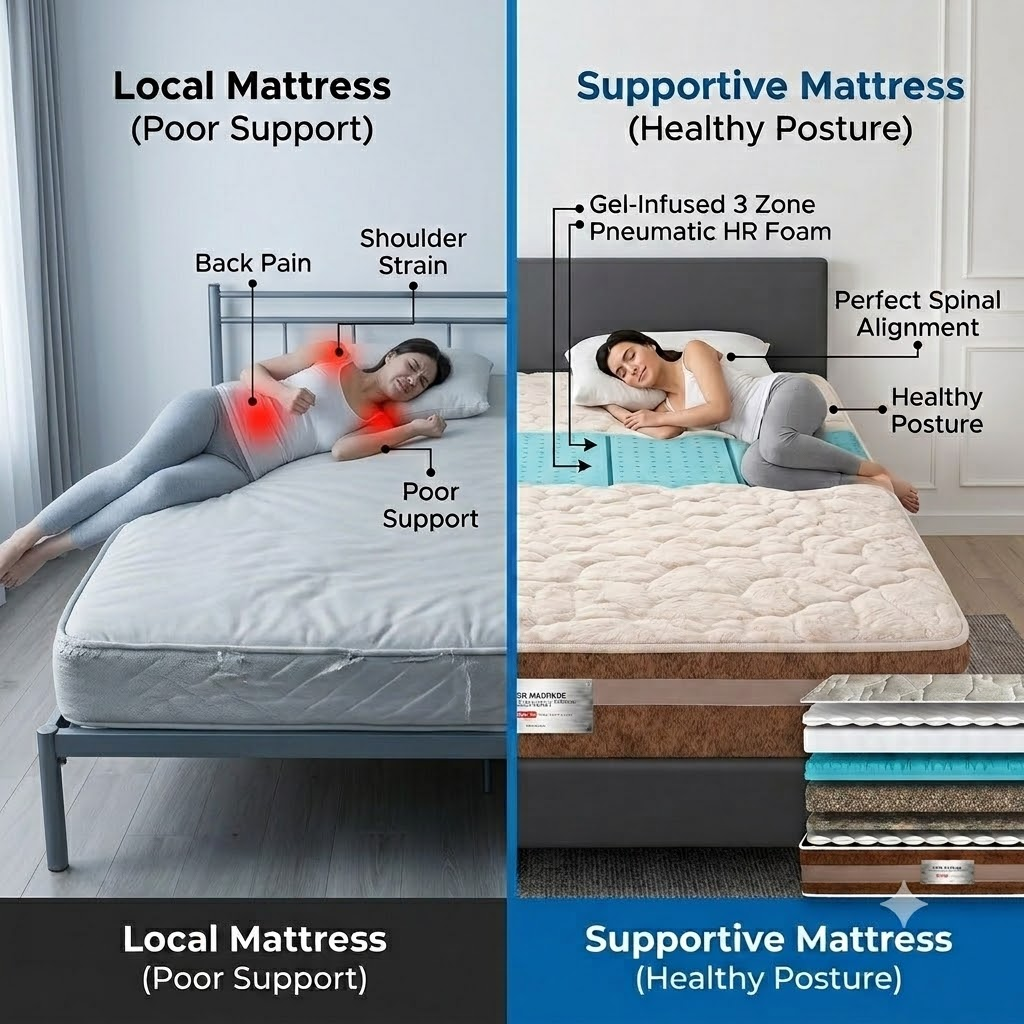
A properly supportive mattress helps:
- Promote healthy posture during sleep
- Reduce pressure concentration
- Minimize nighttime movement
- Improve overall comfort
- Support deeper, uninterrupted sleep
This is why support should never be overlooked in favor of softness alone.
How Coirfit Memory Foam Mattresses Are Designed for Lasting Comfort
At Coirfit, mattress design focuses on addressing real-world sleep needs rather than simply following trends.
Coirfit memory foam mattresses are thoughtfully engineered to provide:
Adaptive Comfort
The foam responds to body contours for personalized comfort.
Balanced Support
Comfort layers work together with supportive core materials to maintain alignment.
Pressure Point Relief
Weight distribution helps reduce stress on key contact areas.
Durable Construction
Premium materials are selected for long-term performance and reliability.
Partner-Friendly Sleep
Motion isolation helps create a more peaceful sleep environment for couples.
For heavier individuals seeking a mattress that feels soft without sacrificing support, Coirfit mattresses are designed to deliver both comfort and confidence.
Signs Your Current Mattress May Not Be Supporting You Properly
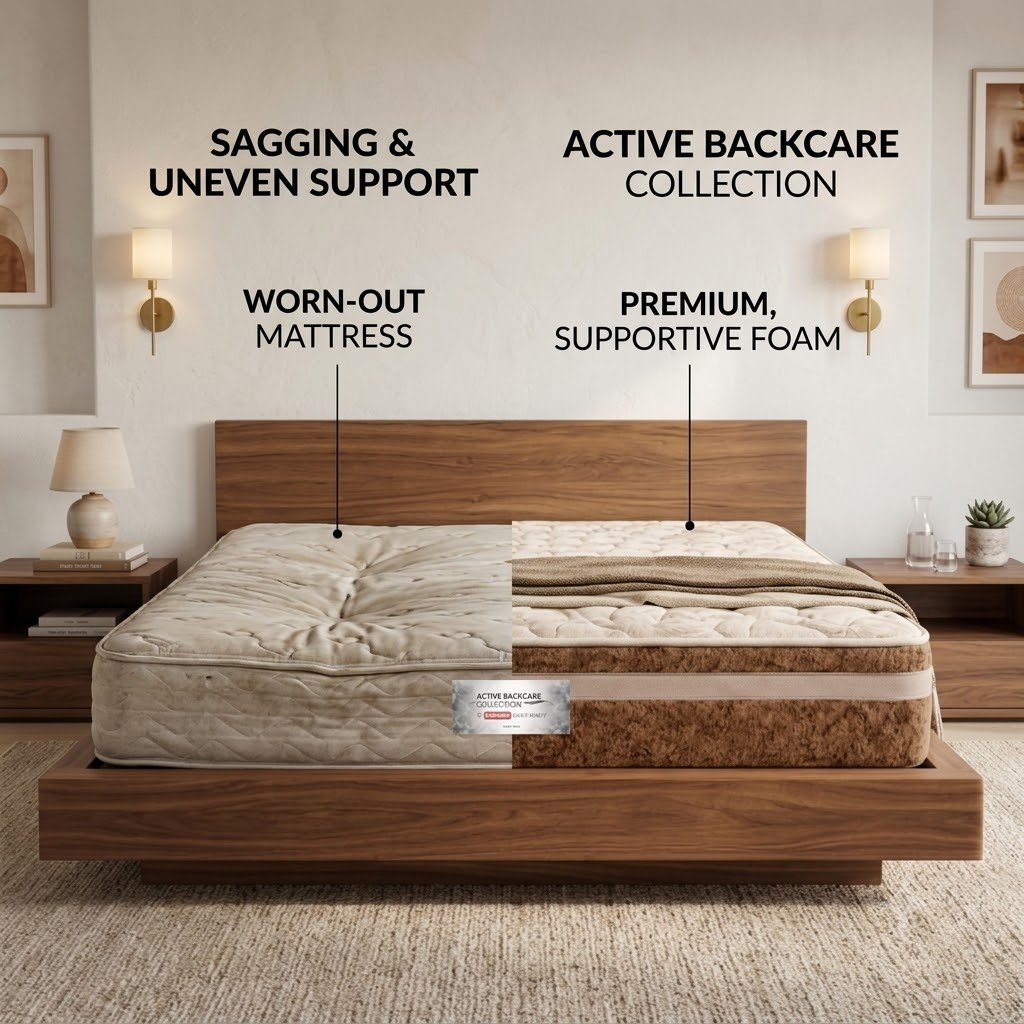
Sometimes the mattress itself provides clues that it’s time for an upgrade.
Common signs include:
- Waking up with stiffness
- Visible sagging
- Uneven sleeping surface
- Frequent tossing and turning
- Difficulty getting comfortable
- Feeling tired despite adequate sleep hours
If these issues occur regularly, your mattress may no longer be providing the support your body needs.
Finding the Right Comfort Level
Every sleeper has unique preferences.
Factors that influence mattress comfort include:
- Body weight
- Sleeping position
- Personal comfort preference
- Room temperature
- Individual support needs
However, many heavier sleepers find that medium-plush to medium-firm memory foam mattresses provide an excellent balance of cushioning and support.
This balance helps prevent excessive sinkage while still delivering the pressure relief memory foam is known for.
Why Better Sleep Starts with the Right Mattress
Quality sleep affects nearly every aspect of daily life.
When your mattress provides proper support and comfort, you may experience:
- Better sleep quality
- Improved recovery
- More consistent comfort
- Reduced sleep interruptions
- Greater overall satisfaction with your sleep environment
Investing in the right mattress isn’t simply about buying a product—it’s about creating a better sleep experience every night.
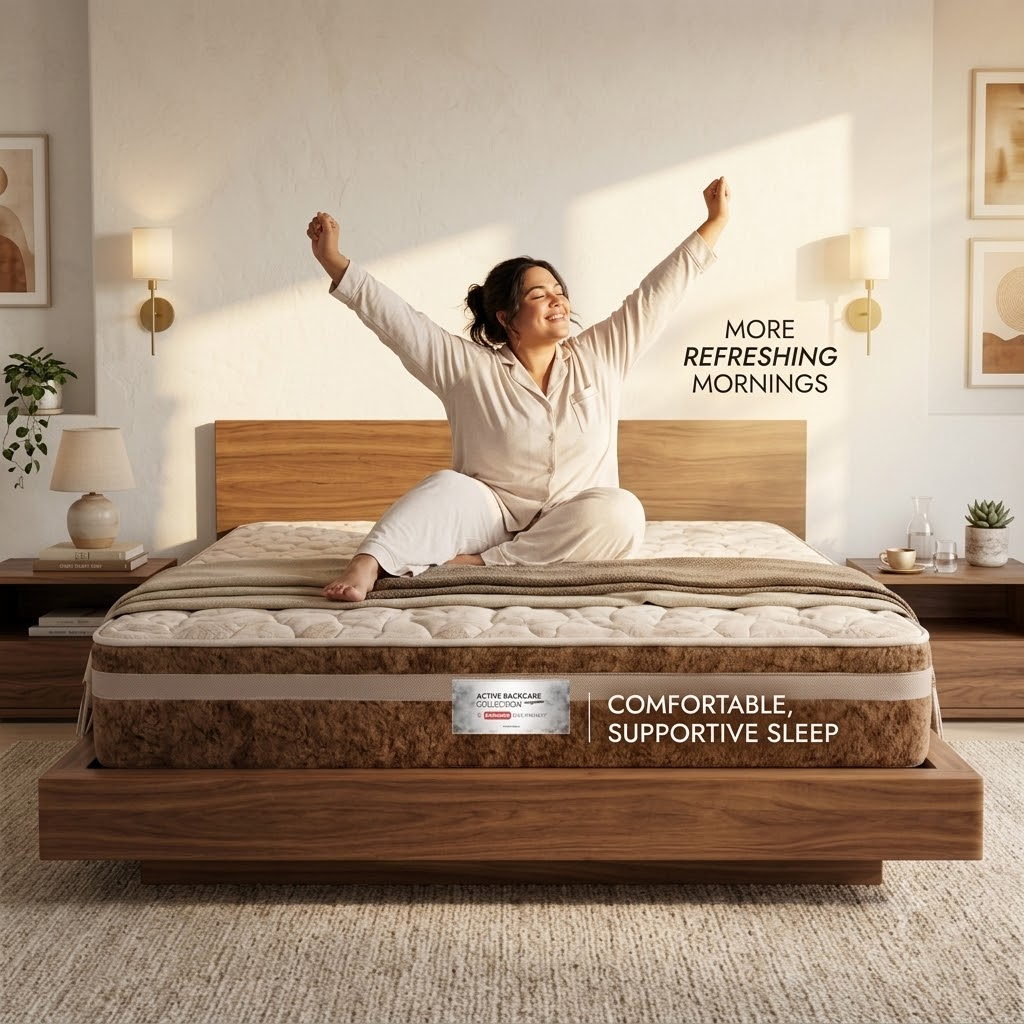
Final Thoughts
For heavier individuals, the best soft memory foam mattress isn’t necessarily the softest mattress available.
Instead, it’s a mattress that combines plush comfort, pressure relief, durable construction, and reliable support.
Memory foam remains one of the most effective mattress materials because it adapts to the body while helping distribute weight more evenly across the sleep surface.
Coirfit’s memory foam mattresses are thoughtfully designed to provide this balance, helping sleepers enjoy comfort, support, and restful sleep for years to come.
If you’re searching for a mattress that feels invitingly soft while still delivering the support your body deserves, a Coirfit memory foam mattress can be an excellent choice for a healthier and more comfortable sleep experience.
Frequently Asked Questions (FAQs)
1. Is memory foam suitable for heavier people?
Yes. High-quality memory foam mattresses can provide excellent pressure relief, comfort, and support for heavier sleepers when designed with durable support layers.
2. Should heavy people choose a soft mattress?
Not necessarily. Extremely soft mattresses may allow excessive sinking. A mattress that balances softness with support is usually a better choice.
3. What mattress firmness is best for heavier sleepers?
Many heavier individuals find medium-plush to medium-firm mattresses provide the best combination of comfort and support.
4. Can memory foam help reduce pressure points?
Yes. Memory foam contours to the body and helps distribute weight more evenly, reducing pressure on shoulders, hips, and other key areas.
5. How often should a mattress be replaced?
The lifespan varies depending on materials and usage, but replacing a mattress when comfort and support noticeably decline is generally recommended.
6. Why is mattress support important for heavier sleepers?
Proper support helps maintain spinal alignment, reduces excessive sinking, and contributes to better overall sleep quality.